Introduction
Toddler activities play a vital role in helping young children learn, grow, and explore the world around them. During the toddler years, children develop important cognitive, social, emotional, and physical skills that form the foundation for future learning. Engaging activities encourage curiosity and create opportunities for children to discover new things through play and interaction.
Parents often look for simple and engaging ways to keep toddlers entertained while also supporting their development. The good news is that many meaningful activities can be done at home using everyday materials. From sensory play to creative crafts, toddler activities can transform ordinary moments into valuable learning experiences that children enjoy and remember.
Understanding the Importance of Toddler Activities
Toddler activities are much more than a way to pass the time. They help children build confidence, develop independence, and strengthen essential life skills. Through hands-on experiences, toddlers learn how to solve problems, communicate their needs, and interact with the environment around them. Every activity offers a chance for growth and discovery.
Regular participation in toddler activities also promotes healthy development across multiple areas. Whether a child is stacking blocks, painting a picture, or exploring textures in a sensory bin, they are strengthening important brain connections. These experiences contribute to language development, emotional regulation, and motor skill improvement while making learning enjoyable.
Choosing Age-Appropriate Toddler Activities
Selecting age-appropriate toddler activities ensures children remain engaged without becoming frustrated or overwhelmed. Activities should match a child’s developmental stage, interests, and abilities. Simple tasks often provide the greatest benefits because they allow toddlers to experience success and build confidence through exploration and repetition.
Parents should observe their child’s interests and adapt activities accordingly. Some toddlers enjoy creative projects, while others prefer movement-based games or sensory experiences. Providing opportunities that align with a child’s natural curiosity encourages longer attention spans and more meaningful learning experiences. Flexibility and patience are key when introducing new activities.
Indoor Toddler Activities for Everyday Fun
Indoor toddler activities are ideal for rainy days, hot afternoons, or moments when outdoor play is not possible. These activities can be both entertaining and educational while requiring minimal preparation. Building forts, sorting colorful objects, and creating obstacle courses are excellent ways to encourage active engagement within the home.
Many indoor toddler activities can be adapted using household items. Empty boxes become castles, pillows become stepping stones, and kitchen utensils become musical instruments. Encouraging imaginative play allows toddlers to explore their creativity while developing problem-solving skills and confidence in a safe environment.
Educational Toddler Activities That Promote Learning
Educational toddler activities help introduce foundational concepts in a fun and natural way. Learning through play is one of the most effective methods for young children because it keeps them engaged and motivated. Activities focused on colors, shapes, letters, and numbers create opportunities for early learning without feeling like formal lessons.
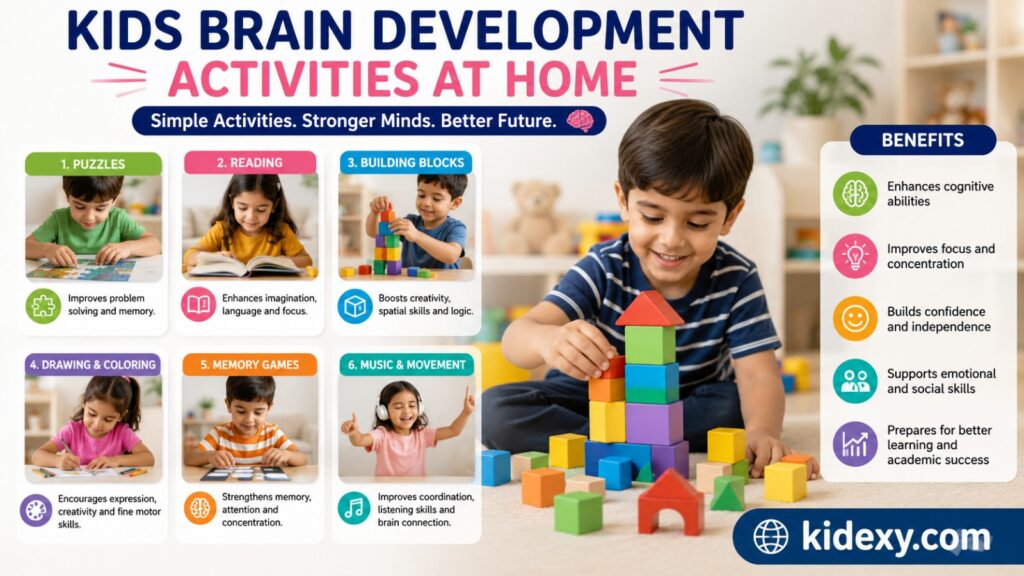
Reading books together is one of the simplest educational toddler activities available. Storytime enhances vocabulary, listening skills, and comprehension while strengthening the bond between parent and child. Interactive games that involve counting objects or identifying colors further reinforce learning through everyday experiences.
Toddler Activities That Develop Fine Motor Skills
Fine motor skills involve the small muscles in the hands and fingers that are necessary for tasks such as writing, buttoning clothes, and using utensils. Toddler activities designed to strengthen these muscles help children gain greater control and coordination as they grow and develop.
Activities like threading large beads, tearing paper, stacking blocks, and playing with playdough are excellent choices. These hands-on experiences improve hand strength and dexterity while keeping toddlers entertained. Repeated practice through enjoyable activities allows children to master skills at their own pace.
Toddler Activities That Improve Gross Motor Skills
Gross motor skills involve larger muscle groups used for running, jumping, climbing, and balancing. Active toddler activities encourage physical development while promoting overall health and well-being. Children naturally enjoy movement, making these activities both beneficial and enjoyable.
Simple games such as obstacle courses, dancing, hopping, and ball play provide opportunities for toddlers to strengthen coordination and balance. These activities help improve body awareness and confidence while allowing children to release energy in positive and productive ways.
Sensory Activities for Toddlers
Sensory toddler activities encourage children to explore different textures, sounds, smells, and visual experiences. Sensory play stimulates brain development and helps toddlers understand the world through hands-on exploration. These activities can be calming, engaging, and highly educational.
A sensory bin filled with rice, pasta, sand, or water offers endless opportunities for discovery. Toddlers enjoy pouring, scooping, and sorting materials while developing fine motor skills and concentration. Sensory experiences also support language development as children learn new descriptive words and concepts.
Creative Toddler Activities for Imaginative Play
Creativity is an important part of childhood development, and imaginative toddler activities help children express themselves freely. Pretend play encourages storytelling, problem-solving, and emotional understanding while allowing toddlers to explore different roles and scenarios.
Simple materials such as cardboard boxes, costumes, and stuffed animals can inspire hours of imaginative play. Whether pretending to run a store, care for animals, or explore outer space, toddlers develop communication skills and confidence through creative experiences that stimulate their imagination.
Outdoor Toddler Activities for Fresh Air and Exploration
Outdoor toddler activities provide opportunities for physical movement, sensory exploration, and connection with nature. Spending time outdoors supports healthy development and offers experiences that cannot be replicated indoors. Fresh air and open spaces encourage active play and curiosity.
Nature walks, scavenger hunts, and gardening projects introduce toddlers to the natural world while promoting observation skills. Outdoor exploration also supports physical fitness through running, climbing, and balancing activities that strengthen muscles and coordination in a fun environment.
Quick Toddler Activities for Busy Parents
Busy schedules often make it challenging to plan elaborate activities. Fortunately, many toddler activities require little preparation while still offering educational and developmental benefits. Quick activities can be incorporated into daily routines and provide meaningful engagement within minutes.
Simple ideas such as sorting socks, drawing with crayons, or playing a matching game can keep toddlers entertained and learning. These activities demonstrate that quality interaction does not require expensive materials or extensive planning. Consistency and creativity often matter more than complexity.
Screen-Free Toddler Activities for Home
Screen-free toddler activities encourage active participation and meaningful interaction. While technology has its place, excessive screen time can reduce opportunities for hands-on learning and social engagement. Providing alternative activities helps create a balanced and enriching environment for young children.
Building blocks, puzzles, sensory bins, and imaginative play are excellent screen-free options. These activities stimulate creativity, problem-solving, and communication skills while encouraging toddlers to engage directly with their surroundings. Screen-free play often leads to deeper learning experiences and stronger family connections.
Seasonal Toddler Activities Throughout the Year
Seasonal toddler activities bring variety and excitement to everyday routines. Different seasons offer unique opportunities for exploration, creativity, and learning. Adapting activities to the time of year keeps children engaged while helping them understand seasonal changes in the environment.
Spring gardening projects, summer water play, autumn leaf collections, and winter crafts all provide memorable experiences. Seasonal activities encourage observation skills and help toddlers develop an appreciation for nature and the changing world around them throughout the year.
Budget-Friendly Toddler Activities
Meaningful toddler activities do not require expensive toys or elaborate setups. Many engaging experiences can be created using materials already available at home. Budget-friendly activities allow families to support learning and development without placing strain on household finances.
Cardboard boxes, recycled containers, paper rolls, and household objects can become valuable learning tools. Creative use of everyday materials encourages resourcefulness and imagination while proving that simple activities often provide the greatest opportunities for exploration and discovery.
Tips for Keeping Toddlers Engaged and Interested
Maintaining a toddler’s interest requires flexibility and an understanding of their changing needs. Young children have short attention spans and often benefit from a variety of activities that balance structure with freedom. Rotating toys and introducing new challenges can help sustain engagement.
Following a child’s interests is one of the most effective strategies for encouraging participation. When activities align with a toddler’s curiosity, they are more likely to remain focused and enthusiastic. Observation and responsiveness help parents create meaningful experiences that support learning and enjoyment.
Common Mistakes Parents Should Avoid
One common mistake is expecting toddlers to complete activities perfectly or produce specific results. The primary goal of toddler activities should be exploration and learning rather than achieving a flawless outcome. Process-focused experiences encourage confidence and creativity.
Another mistake is providing too many options at once. Excessive choices can overwhelm young children and reduce engagement. Offering a small selection of activities allows toddlers to focus more effectively while still maintaining a sense of independence and control over their play experiences.
Conclusion
Toddler activities are essential tools for supporting early childhood development and creating meaningful learning experiences at home. Through play, exploration, and creativity, toddlers build important skills that contribute to their overall growth and future success. Every activity offers an opportunity to learn, discover, and connect with others.
The best toddler activities are often simple, engaging, and tailored to a child’s interests. Whether indoors or outdoors, educational or creative, structured or spontaneous, these experiences help children develop confidence, curiosity, and a lifelong love of learning. By incorporating a variety of activities into daily routines, parents can create a rich environment that supports healthy development and joyful childhood memories.
FAQs
What are the best toddler activities at home?
The best toddler activities at home include sensory bins, building blocks, drawing, pretend play, reading books, puzzles, and simple crafts. These activities encourage creativity, learning, and physical development while keeping children engaged.
How can I keep my toddler busy without screens?
You can keep toddlers busy without screens by offering hands-on activities such as coloring, dancing, sorting games, obstacle courses, storytelling, and sensory play. These activities encourage active participation and skill development.
Why are toddler activities important?
Toddler activities support cognitive, social, emotional, and physical development. They help children build confidence, improve motor skills, develop language abilities, and learn through exploration and play.
What activities help toddlers learn faster?
Activities involving reading, counting, matching, sorting, and problem-solving help toddlers develop important learning skills. Play-based learning is especially effective because it keeps children motivated and engaged.
How often should toddlers participate in activities?
Toddlers benefit from daily opportunities for play and exploration. Activities can be incorporated naturally throughout the day and should include a mix of physical, creative, educational, and sensory experiences.
What are some easy indoor toddler activities?
Easy indoor activities include building forts, coloring, dancing, playing with playdough, creating sensory bins, reading books, and sorting household objects by color or size.
How do sensory activities benefit toddlers?
Sensory activities help toddlers explore textures, sounds, smells, and visual experiences. They support brain development, improve concentration, and encourage language growth through hands-on learning.
What outdoor activities are suitable for toddlers?
Nature walks, scavenger hunts, gardening, water play, ball games, and playground visits are excellent outdoor activities that encourage movement, exploration, and social interaction.
Can toddler activities improve social skills?
Yes, many toddler activities encourage sharing, communication, cooperation, and emotional understanding. Group play and interactive games are particularly effective for social development.
What household items can be used for toddler activities?
Cardboard boxes, paper rolls, plastic containers, measuring cups, spoons, old magazines, and fabric scraps can all be used to create engaging and educational toddler activities at home.