Introduction
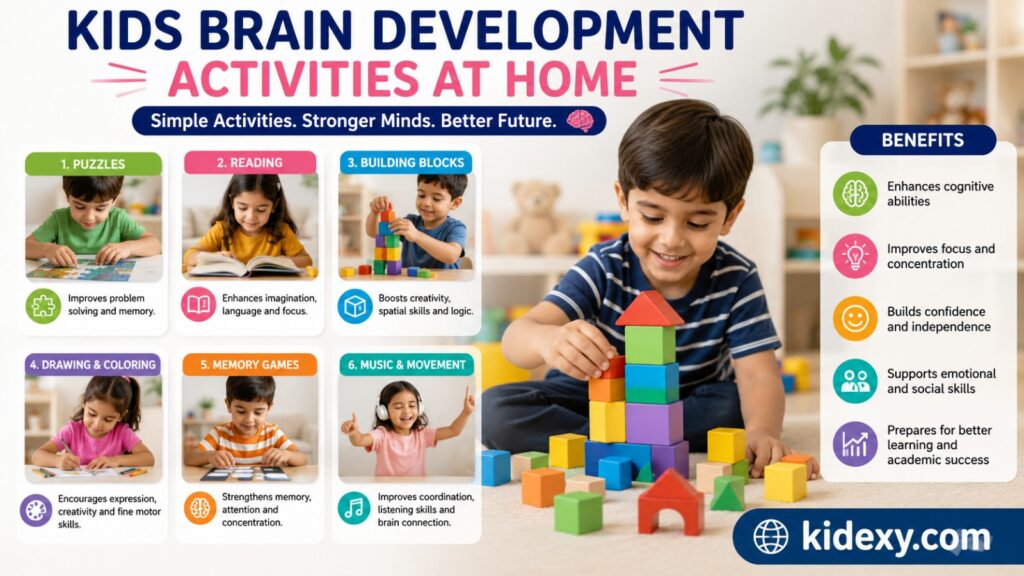
Children learn best when education feels exciting and enjoyable. Brain games offer a wonderful way to combine fun with learning, helping children develop essential mental skills while staying engaged. From memory challenges to logic puzzles, these activities stimulate young minds and encourage curiosity in a natural and entertaining way.
Parents and teachers increasingly use brain games to support children’s cognitive growth. These activities can improve concentration, strengthen memory, and enhance problem-solving abilities. As technology and education continue to evolve, brain games kids enjoy have become valuable tools for developing skills that benefit children both in school and everyday life.
What Are Brain Games for Kids?
Brain games are activities specifically designed to challenge and stimulate the mind. Unlike ordinary entertainment, these games encourage children to think critically, solve problems, remember information, and make decisions. They come in many forms, including puzzles, memory challenges, educational apps, word games, and strategic board games.
The purpose of brain games is not only to entertain but also to strengthen mental abilities. Children naturally enjoy challenges, and brain games provide opportunities to learn while having fun. Whether played at home, in school, or online, these activities help create positive learning experiences that support healthy cognitive development.
Benefits of Brain Games Kids Can Enjoy Every Day
One of the greatest benefits of brain games is their ability to improve memory. Many games require children to recall information, recognize patterns, or remember sequences. Repeated practice strengthens memory pathways and helps children retain information more effectively in academic and social settings.
Brain games kids play regularly can also improve focus and concentration. Modern children face many distractions, making it important to develop attention skills. Brain-based activities train children to stay engaged with tasks for longer periods, helping them become better learners and more confident problem solvers.
Improved Memory Skills
Memory plays a crucial role in learning and everyday activities. Children use memory to remember lessons, follow instructions, and recognize important information. Brain games that involve matching cards, recalling objects, or identifying patterns encourage children to exercise their memory in enjoyable ways.
As children practice memory-based activities, they develop stronger recall abilities and greater confidence in their learning. Improved memory can contribute to better academic performance and enhanced communication skills. These benefits often extend beyond childhood and support lifelong learning habits.
Better Focus and Concentration
Focus is essential for success in school and daily life. Many children struggle to maintain attention for long periods, especially when surrounded by distractions. Brain games encourage children to concentrate on specific tasks and complete challenges that require sustained attention.
Activities involving puzzles, strategy, and observation help strengthen concentration over time. As children become more focused, they often perform better in educational environments and develop the patience needed to complete complex tasks. Consistent practice can lead to noticeable improvements in attention span.
Enhanced Problem-Solving Abilities
Problem-solving is a skill that helps children navigate challenges and make informed decisions. Brain games encourage children to think critically and explore different solutions. Whether solving a puzzle or completing a logic challenge, children learn how to analyze situations effectively.
Strong problem-solving skills help children become more independent and resilient. They learn to approach difficulties with confidence rather than frustration. This mindset supports academic success and prepares children to face future challenges with creativity and determination.
Stronger Cognitive Development
Cognitive development refers to how children think, learn, understand, and process information. Brain games stimulate multiple areas of the brain, encouraging growth in memory, reasoning, attention, and decision-making abilities. These activities provide valuable mental exercise during important developmental stages.
Children who regularly engage in cognitive challenges often demonstrate stronger learning skills and improved mental flexibility. They become better equipped to understand new concepts and adapt to changing situations. These abilities support success across many areas of life.
Increased Confidence and Independence
Successfully completing brain games gives children a sense of accomplishment. Each challenge solved reinforces confidence and motivates them to continue learning. Positive experiences with educational activities can help children develop a healthy attitude toward learning and problem-solving.
Confidence gained through brain games often extends into other areas of life. Children become more willing to try new activities, tackle difficult assignments, and work independently. These experiences contribute to personal growth and emotional development.
Best Memory Brain Games for Kids
Memory games remain among the most effective activities for cognitive development. Matching card games, object recall challenges, and sequence activities require children to remember information and recognize patterns. These exercises strengthen memory while keeping children entertained.
Many memory games can be adapted for different age groups and skill levels. Parents can create simple memory challenges using everyday household items, while teachers can incorporate memory activities into classroom lessons. The flexibility of these games makes them highly accessible and beneficial.
Fun Logic Games That Strengthen Thinking Skills
Logic games encourage children to analyze situations and make thoughtful decisions. Activities such as mazes, Sudoku puzzles, and strategy challenges require careful reasoning and planning. These games help children develop logical thinking abilities that support academic achievement.
Regular participation in logic-based activities teaches children how to identify patterns and understand cause-and-effect relationships. These skills are useful in mathematics, science, and everyday decision-making. Children often enjoy the satisfaction that comes from solving complex problems independently.
Educational Brain Games for Learning and Development
Educational brain games combine entertainment with valuable learning opportunities. These activities often focus on subjects such as mathematics, language arts, science, and reading comprehension. Children can strengthen academic skills while participating in enjoyable challenges.
When learning feels like play, children become more motivated to explore new concepts. Educational brain games create positive learning experiences that encourage curiosity and creativity. This approach helps children develop a lifelong appreciation for learning.
Brain Games Kids Can Play at Home
Home provides an excellent environment for brain-based activities. Parents can introduce puzzles, memory games, word challenges, and treasure hunts that stimulate critical thinking. These activities encourage family interaction while promoting cognitive development.
Many home-based brain games require little or no special equipment. Everyday objects can become valuable learning tools when used creatively. This accessibility makes it easy for families to incorporate educational fun into daily routines without significant expense.
Online Brain Games for Kids
Digital technology has expanded access to educational games and learning platforms. Online brain games provide interactive experiences that challenge memory, logic, attention, and problem-solving skills. Many programs offer age-appropriate content designed specifically for children.
While online activities can be beneficial, moderation remains important. Parents should select reputable educational platforms and balance screen time with offline learning experiences. A thoughtful approach ensures children gain maximum benefits from digital brain-training activities.
Brain Games for Different Age Groups
Children develop at different rates, making it important to choose age-appropriate brain games. Younger children often benefit from simple matching activities and basic puzzles, while older children may enjoy strategy games and advanced problem-solving challenges.
Selecting games that match a child’s developmental stage helps maintain interest and motivation. Activities that are too easy may become boring, while overly difficult games can cause frustration. Appropriate challenges create positive learning experiences and encourage continued growth.
Group Brain Games for Classrooms and Parties
Group activities allow children to learn while collaborating with others. Team-based puzzles, brain teasers, and educational competitions encourage communication and cooperation. These games teach children how to work together toward shared goals.
Classroom and party brain games also create opportunities for social development. Children learn valuable interpersonal skills such as listening, sharing ideas, and respecting different perspectives. These experiences contribute to both cognitive and emotional growth.
Creative Brain Games That Encourage Imagination
Creativity is an essential aspect of cognitive development. Brain games that involve storytelling, drawing, role-playing, and imaginative thinking encourage children to explore new ideas and express themselves freely. These activities stimulate both logical and creative areas of the brain.
Creative challenges help children develop innovation and adaptability. They learn how to generate original ideas and approach situations from different perspectives. These skills are increasingly valuable in modern educational and professional environments.
How Parents Can Encourage Brain Training at Home
Parents play a significant role in supporting cognitive development. Establishing regular opportunities for brain games helps children view learning as a positive and enjoyable experience. Consistency is often more effective than occasional intensive activities.
Creating a supportive environment encourages children to embrace challenges without fear of failure. Parents can celebrate effort and progress rather than focusing solely on results. This approach builds confidence and promotes a growth-oriented mindset.
Common Mistakes to Avoid When Using Brain Games
One common mistake is choosing activities that are too difficult for a child’s current skill level. Excessive challenges can create frustration and reduce motivation. It is important to select games that provide achievable goals while still encouraging growth.
Another mistake involves relying exclusively on digital activities. Although online games offer many benefits, children also need opportunities for physical play, social interaction, and hands-on learning experiences. Balance remains essential for healthy development.
Tips for Selecting the Best Brain Games for Kids
Choosing effective brain games requires consideration of age, interests, and learning objectives. Activities should be engaging enough to capture attention while providing meaningful cognitive challenges. Games that combine fun and education often produce the best results.
Parents and educators should also observe how children respond to different activities. Individual preferences vary, and selecting games that align with a child’s interests increases participation and enjoyment. Personalized choices often lead to better learning outcomes.
Conclusion
Brain games offer an exciting and effective way to support children’s cognitive development. Through memory challenges, logic puzzles, creative activities, and educational games, children strengthen essential skills that contribute to academic achievement and personal growth.
Incorporating brain games into daily routines can create lasting benefits for memory, focus, problem-solving, and confidence. By providing engaging opportunities for mental stimulation, parents and educators help children develop the skills needed to thrive in an ever-changing world.
FAQs
What are brain games for kids?
Brain games are activities designed to improve memory, concentration, problem-solving, logical thinking, and cognitive development while keeping children entertained and engaged.
How do brain games improve memory?
Memory-based activities encourage children to recall information, recognize patterns, and remember sequences. Regular practice strengthens memory pathways and improves information retention.
Are online brain games effective?
Yes, high-quality online brain games can support cognitive development by providing interactive challenges that improve focus, reasoning, and learning skills.
How often should children play brain games?
Children can benefit from brain games several times per week. Short, consistent sessions are generally more effective than long, occasional activities.
Can brain games help improve school performance?
Brain games can strengthen memory, concentration, and problem-solving abilities, which may contribute to improved academic performance and learning outcomes.
What are some simple brain games kids can play at home?
Matching card games, memory challenges, treasure hunts, puzzles, word games, and observation activities are excellent options that require minimal materials.
Are brain games suitable for all age groups?n
Yes, brain games can be adapted for different ages and skill levels. Choosing age-appropriate challenges ensures children remain engaged and motivated.
Do brain games help with concentration?
Many brain games require sustained attention and focus. Regular participation can strengthen concentration skills and improve attention span over time.
What role do parents play in brain training?
Parents can support cognitive development by providing engaging activities, encouraging participation, and creating a positive learning environment at home.
Why are brain games important for child development?
Brain games help children develop essential cognitive skills, including memory, reasoning, creativity, focus, and problem-solving. These abilities support academic success and lifelong learning.