Introduction
Preschool activities play a vital role in helping young children explore the world around them while developing important life skills. During the preschool years, children experience rapid growth in their thinking abilities, communication skills, creativity, and physical coordination. Meaningful activities create opportunities for children to learn naturally through play, exploration, and hands-on experiences.
Parents, caregivers, and teachers often look for engaging ways to support learning without making children feel pressured. The best preschool activities combine fun with education, allowing children to discover new concepts while enjoying themselves. From sensory play and creative arts to literacy games and outdoor adventures, these activities build a strong foundation for future learning and development.
Understanding the Value of Preschool Activities
Children learn best when they are actively involved in the learning process. Rather than simply listening or watching, preschoolers gain knowledge by touching, experimenting, moving, and interacting with their environment. Preschool activities provide opportunities for active participation, helping children make meaningful connections between experiences and concepts.
These experiences contribute to multiple areas of development simultaneously. A simple activity such as building with blocks can improve problem-solving abilities, strengthen fine motor skills, encourage creativity, and promote social interaction. Because learning happens naturally through play, children remain motivated and enthusiastic while developing essential skills that support future academic success.
How Children Learn Through Play
Play is one of the most effective ways young children acquire knowledge and skills. Through imaginative games, hands-on exploration, and creative activities, preschoolers learn how to think critically, solve problems, and express themselves. Play encourages curiosity and provides a safe environment where children can experiment and discover new ideas.
When children engage in purposeful play, they are developing cognitive abilities without realizing they are learning. Activities such as sorting objects, building structures, and pretending to run a store help children understand concepts related to mathematics, language, and social interactions. This natural approach makes learning enjoyable and meaningful.
Key Developmental Areas Supported by Preschool Activities
Preschool activities contribute to intellectual growth by encouraging children to observe, compare, question, and analyze information. Activities involving puzzles, matching games, and simple experiments strengthen memory, concentration, and reasoning abilities. These skills prepare children for more advanced learning experiences later in life.
Beyond cognitive development, preschool activities support emotional, physical, and social growth. Children learn to communicate effectively, cooperate with others, manage emotions, and develop confidence. By participating in a variety of activities, they gain valuable experiences that shape their overall development and well-being.
Fine Motor Preschool Activities
Fine motor skills involve the small muscles in the hands and fingers that are necessary for writing, drawing, cutting, and many everyday tasks. Preschool activities that focus on fine motor development help children improve hand strength, coordination, and control while building confidence in their abilities.
Engaging fine motor activities can be simple and enjoyable. Children often enjoy tasks that involve manipulating objects, creating artwork, or completing hands-on challenges. These experiences not only support physical development but also encourage concentration, patience, and problem-solving skills.
Creative Arts and Crafts
Arts and crafts activities provide children with opportunities to express their creativity while strengthening important fine motor skills. Drawing, coloring, painting, and collage making require precise hand movements that improve coordination and control. These activities also encourage imagination and self-expression.
Creative projects allow children to experiment with colors, textures, and materials while developing confidence in their artistic abilities. There is no right or wrong way to create art, which makes these activities especially valuable for encouraging independence and personal expression.
Manipulative and Hand-Strengthening Activities
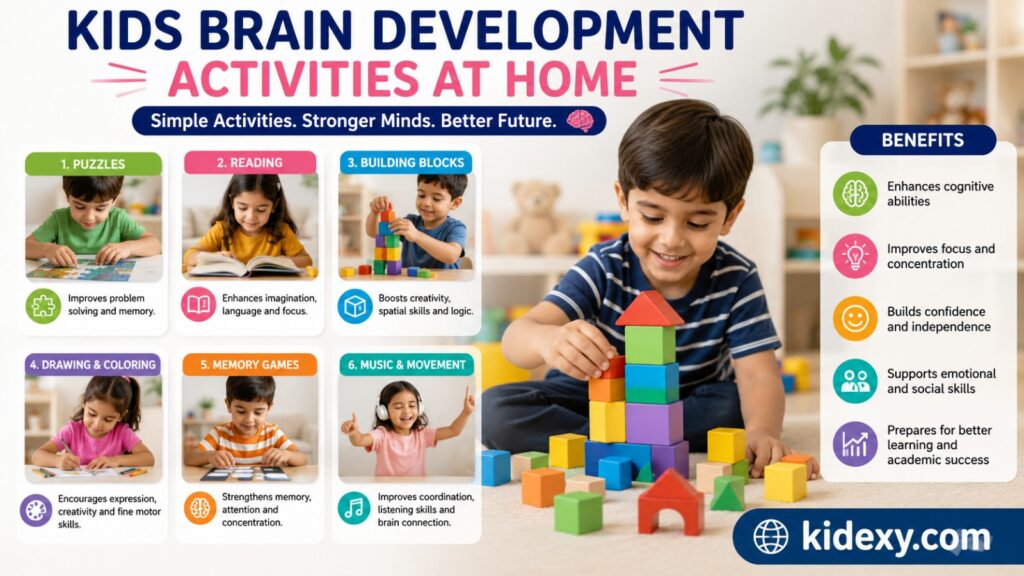
Activities involving small objects help children develop stronger hand muscles and better finger coordination. Playing with building blocks, threading beads, using child-safe tweezers, and shaping playdough are excellent examples of engaging exercises that strengthen fine motor abilities.
These preschool activities encourage children to practice precise movements while maintaining focus and attention. As hand strength improves, children become better prepared for tasks such as holding pencils, using scissors, and completing classroom assignments with greater confidence and ease.
Gross Motor Preschool Activities
Gross motor development involves large muscle groups used for running, jumping, climbing, and balancing. Physical movement is essential for healthy growth and helps children develop coordination, strength, and body awareness. Preschool activities that encourage movement also support emotional well-being and overall health.
Active play gives children opportunities to release energy while developing important physical skills. Whether indoors or outdoors, movement-based activities help preschoolers improve balance, agility, and endurance. These experiences contribute to a healthy lifestyle and foster positive attitudes toward physical activity.
Indoor Movement Activities
Indoor movement activities provide excellent opportunities for physical exercise when outdoor play is not possible. Games such as dancing, obstacle courses, animal walks, and movement challenges keep children active while developing coordination and balance. These activities can be adapted to fit various spaces and skill levels.
Movement games also improve listening skills and self-control. Children learn to follow directions, respond to cues, and practice body awareness while having fun. These experiences support both physical and cognitive development in engaging and meaningful ways.
Outdoor Physical Activities
Outdoor play offers unique opportunities for exploration, exercise, and discovery. Activities such as running, jumping, climbing, and nature walks allow children to develop strength and coordination while enjoying fresh air and open spaces. Outdoor experiences often stimulate curiosity and encourage creative thinking.
Many preschool activities can be enhanced by natural environments. Exploring parks, collecting leaves, observing insects, and participating in scavenger hunts help children connect with nature while building physical and cognitive skills. Outdoor play supports healthy development in multiple ways.
Literacy-Based Preschool Activities
Early literacy experiences lay the foundation for reading and writing success. Preschool activities that focus on language development help children build vocabulary, recognize letters, understand sounds, and develop communication skills. These experiences should be engaging, interactive, and enjoyable.
Literacy learning occurs naturally through conversations, storytelling, songs, and games. By creating opportunities for language-rich interactions, parents and educators can help children develop a strong interest in books, words, and communication from an early age.
Early Reading Activities
Reading activities introduce children to the world of language and storytelling. Listening to books, discussing illustrations, and predicting story outcomes help preschoolers develop comprehension skills and expand their vocabulary. Shared reading experiences also strengthen relationships between children and caregivers.
Interactive reading encourages active participation rather than passive listening. Asking questions, discussing characters, and connecting stories to real-life experiences help children engage more deeply with books and develop a lifelong appreciation for reading.
Pre-Writing Activities
Before children learn to write letters and words, they need opportunities to develop foundational skills. Tracing shapes, drawing lines, and practicing hand movements help build the coordination required for writing. These activities strengthen fine motor control while introducing early writing concepts.
Pre-writing experiences should be fun and pressure-free. Using sand trays, finger painting, chalkboards, and large drawing surfaces allows children to explore mark-making in creative ways. These activities build confidence and prepare children for future writing success.
Language Development Games
Language games help children strengthen communication skills while expanding their vocabulary. Rhyming activities, storytelling exercises, and word games encourage listening, speaking, and creative thinking. These experiences support language development in enjoyable and engaging ways.
Conversations play an important role in language growth. Encouraging children to express ideas, ask questions, and share experiences helps them build confidence in their communication abilities. Regular language-rich interactions contribute significantly to overall development.
Math Preschool Activities
Mathematics learning begins long before formal schooling. Preschool activities that introduce counting, sorting, patterns, and shapes help children develop foundational mathematical understanding. These experiences encourage logical thinking and problem-solving skills while making learning enjoyable.
Math concepts become more meaningful when children encounter them through everyday experiences. Activities involving objects, games, and real-world situations help preschoolers understand abstract ideas in concrete and practical ways.
Number Recognition and Counting
Counting activities help children understand quantity, sequence, and number relationships. Using toys, snacks, blocks, or natural objects makes counting interactive and enjoyable. Repeated exposure to numbers helps children develop familiarity and confidence with mathematical concepts.
Number recognition can be reinforced through games, songs, and visual materials. Children learn best when they encounter numbers in meaningful contexts rather than through memorization alone. Practical experiences support deeper understanding and long-term retention.
Shapes and Patterns
Learning about shapes and patterns helps children develop spatial awareness and logical thinking. Sorting objects by shape, creating patterns with blocks, and identifying shapes in the environment encourage observation and analytical skills.
Pattern recognition is an important early math skill that supports future learning. Through hands-on exploration, children begin to understand relationships, sequences, and organization. These foundational concepts contribute to later success in mathematics and science.
Sensory Preschool Activities
Sensory experiences allow children to explore the world through touch, sight, sound, smell, and movement. Sensory-based preschool activities encourage curiosity and support brain development by engaging multiple senses simultaneously. These activities often promote relaxation, concentration, and creative thinking.
Many sensory experiences involve simple materials that are easy to access and prepare. Water, sand, rice, fabric, and natural objects provide endless opportunities for exploration while supporting learning across multiple developmental areas.
Science and Discovery Activities
Science activities encourage children to ask questions, make observations, and explore how things work. Preschoolers are naturally curious, making scientific exploration an exciting and meaningful part of early learning. Simple experiments provide opportunities for discovery and critical thinking.
Observing plants grow, exploring weather patterns, and experimenting with water are excellent ways to introduce scientific concepts. These hands-on experiences help children develop curiosity, problem-solving abilities, and an appreciation for learning through exploration.
Creative and Imaginative Play Activities
Imaginative play allows children to create stories, explore roles, and express ideas. Through pretend play, preschoolers develop language skills, creativity, and social understanding. They learn to solve problems, negotiate with others, and think from different perspectives.
Creative play supports emotional development by providing opportunities for self-expression. Whether pretending to be doctors, chefs, teachers, or explorers, children gain confidence and develop important communication and social skills through imaginative experiences.
Social and Emotional Learning Activities
Social and emotional skills are essential for healthy relationships and personal well-being. Preschool activities that focus on cooperation, empathy, and emotional awareness help children understand themselves and others. These experiences support positive interactions and build confidence.
Children benefit from opportunities to practice sharing, taking turns, expressing feelings, and resolving conflicts. Through guided activities and everyday interactions, they develop the skills needed to navigate social situations successfully and build meaningful relationships.
Seasonal and Holiday Preschool Activities
Seasonal themes provide exciting opportunities to introduce new learning experiences throughout the year. Activities inspired by changing seasons help children connect with nature while exploring topics related to weather, plants, animals, and cultural traditions.
Holiday-themed projects add variety and excitement to learning routines. Craft activities, storytelling, music, and themed games encourage creativity while helping children learn about different celebrations and traditions in engaging and meaningful ways.
Preschool Activities for Learning at Home
Home provides countless opportunities for meaningful learning experiences. Parents can support development through simple activities that fit naturally into daily routines. Reading together, cooking, gardening, and exploring household objects all contribute to valuable learning experiences.
Many effective preschool activities require little preparation and use materials already available at home. By creating a supportive environment that encourages curiosity and exploration, families can help children develop essential skills while enjoying quality time together.
Tips for Choosing Age-Appropriate Preschool Activities
Selecting appropriate activities helps ensure children remain engaged and successful. Activities should match developmental abilities while providing opportunities for growth and challenge. Observing children’s interests can help adults choose experiences that are both meaningful and enjoyable.
Flexibility is important when planning activities. Children learn at different rates and may respond differently to various experiences. Adapting activities to individual needs helps create positive learning experiences that build confidence and encourage participation.
Common Mistakes to Avoid When Planning Preschool Activities
One common mistake is focusing too heavily on academic outcomes while overlooking the importance of play. Young children learn best through exploration and hands-on experiences rather than structured instruction alone. Balancing learning goals with enjoyable activities leads to better outcomes.
Another mistake is providing excessive direction during activities. Allowing children to make choices, solve problems, and express creativity encourages independence and confidence. Open-ended experiences often produce richer learning opportunities than highly controlled tasks.
Conclusion
Preschool activities play a crucial role in supporting early childhood development across cognitive, physical, social, emotional, and creative domains. Through engaging experiences that encourage exploration and discovery, children develop essential skills that prepare them for future learning and success.
By incorporating a variety of preschool activities into daily routines, parents and educators can create meaningful opportunities for growth while nurturing curiosity and confidence. The most effective activities combine learning with fun, allowing children to develop naturally through play, creativity, and hands-on exploration.
FAQs
What are the best preschool activities for learning?
The best preschool activities combine fun with education. Reading, sensory play, arts and crafts, counting games, outdoor exploration, and imaginative play all support important developmental skills while keeping children engaged.
How long should preschool activities last?
Most preschool activities work best when they last between fifteen and thirty minutes. However, children should be allowed to continue longer if they remain interested and engaged.
What skills do preschool activities help develop?
Preschool activities support cognitive growth, language development, fine motor skills, gross motor skills, social abilities, emotional regulation, creativity, and problem-solving skills.
Can preschool activities be done at home?
Yes. Many preschool activities can be completed using simple household materials. Reading, sorting games, cooking, art projects, and sensory play are excellent home-based learning opportunities.
How do sensory activities benefit preschoolers?
Sensory activities stimulate brain development, encourage exploration, improve concentration, strengthen problem-solving abilities, and support emotional regulation through hands-on experiences.
Why is play important in preschool learning?
Play allows children to learn naturally through exploration, experimentation, and social interaction. It promotes creativity, critical thinking, communication, and overall development while making learning enjoyable.
What are some inexpensive preschool activities?
Low-cost activities include nature walks, storytelling, drawing, sorting household items, building with recycled materials, and simple sensory bins made from common household supplies.
How can parents encourage learning through play?
Parents can provide open-ended materials, ask questions, participate in activities, encourage exploration, and create opportunities for imaginative and hands-on learning experiences.
What are good indoor preschool activities?
Indoor options include arts and crafts, dance games, puzzles, reading, building blocks, sensory bins, and imaginative play centers that encourage creativity and movement.
How often should preschoolers participate in educational activities?
Children benefit from daily educational experiences integrated into play and routines. Consistent opportunities for exploration and learning help support healthy development and lifelong curiosity.