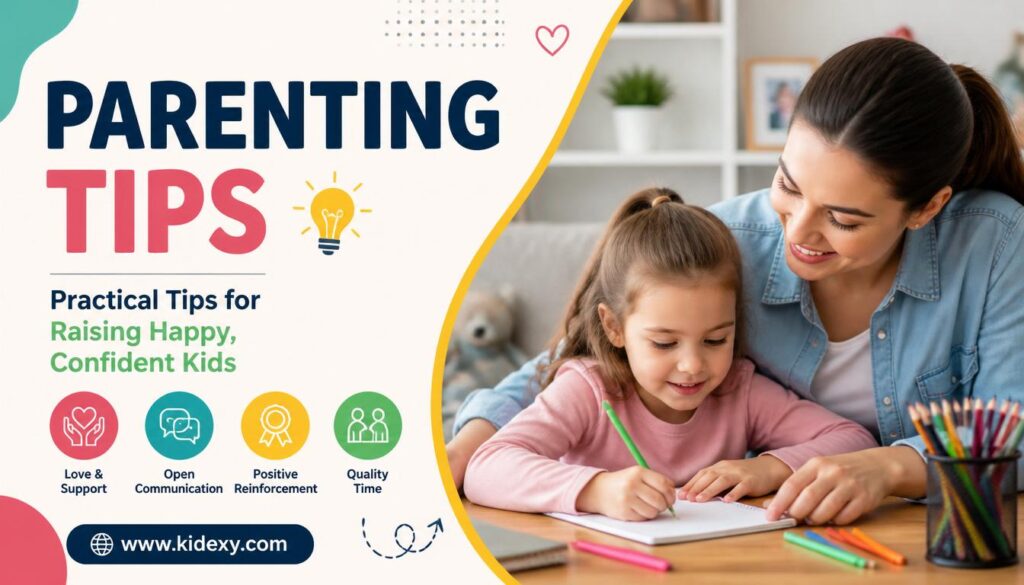
Parenting is one of the most rewarding experiences in life, but it can also be challenging. Every parent wants to raise children who are happy, confident, responsible, and capable of handling life’s ups and downs. In today’s fast-paced world, children face many influences, from technology and social media to academic pressure and changing social environments. This makes thoughtful and informed parenting more important than ever.
The concept of smart parenting focuses on building strong relationships, encouraging positive behavior, and helping children develop essential life skills. Rather than relying on strict control or complete freedom, smart parenting creates a healthy balance that supports a child’s growth and well-being. By understanding children’s needs and responding with patience and guidance, parents can create a nurturing environment where children thrive.
What Is Smart Parents?
Understanding the Concept of Smart Parents
Smart parenting is an approach that combines love, communication, guidance, and consistency. It involves making informed decisions that support a child’s emotional, physical, and intellectual development. Instead of reacting emotionally to every situation, parents take time to understand the reasons behind a child’s behavior and respond constructively.
This parenting style encourages children to learn from experiences while receiving the support they need. It focuses on teaching rather than controlling and helps children develop confidence, independence, and strong values that benefit them throughout life.
Characteristics of Smart Parents
Smart parents understand that every child is unique. They recognize individual strengths, weaknesses, interests, and learning styles. Rather than comparing children to others, they focus on helping each child reach their personal potential.
Patience, flexibility, and emotional awareness are also important qualities. Smart parents remain open to learning and adapting their parenting strategies as their children grow and face new challenges. They lead by example and demonstrate the behavior they hope to see in their children.
Building Strong Parent-Child Relationships
The Importance of Trust and Communication
A strong relationship between parents and children forms the foundation for healthy development. Trust allows children to feel safe sharing their thoughts, concerns, and experiences without fear of harsh judgment. Open communication helps parents better understand their children’s emotions and needs.
Parents can strengthen communication by actively listening and showing genuine interest in what their children say. Small daily conversations can build trust over time and create a supportive environment where children feel valued and respected.
Spending Quality Time Together
Quality time does not always require elaborate activities. Simple moments such as sharing meals, reading together, or taking walks can create meaningful connections. These interactions help children feel important and strengthen family bonds.
Consistent family time also provides opportunities to teach values, discuss challenges, and celebrate achievements. Children who enjoy positive interactions with their parents often develop stronger emotional security and self-confidence.
Encouraging Positive Behavior in Children
Using Positive Reinforcement
Children respond well to encouragement and recognition. Positive reinforcement focuses on acknowledging good behavior rather than only correcting mistakes. When children receive praise for responsible actions, they are more likely to repeat those behaviors.
Simple words of appreciation can have a powerful impact. Recognizing effort, kindness, honesty, and responsibility helps children develop a positive self-image and motivates them to continue making good choices.
Setting Clear Rules and Expectations
Children need structure and boundaries to feel secure. Clear rules help them understand what is expected and what behaviors are acceptable. Consistent expectations reduce confusion and promote responsibility.
Rules should be reasonable and age-appropriate. Parents who explain the reasons behind family guidelines help children understand the importance of respect, safety, and accountability rather than simply following instructions without understanding.
Supporting Emotional Development
Helping Children Understand Their Emotions
Emotional intelligence plays a major role in lifelong success and happiness. Children need guidance in identifying and expressing their feelings in healthy ways. Parents can support this process by encouraging open discussions about emotions.
When children learn to recognize emotions such as frustration, sadness, excitement, or disappointment, they become better equipped to manage them. This skill improves relationships, decision-making, and overall well-being.
Developing Empathy and Kindness
Empathy allows children to understand and care about the feelings of others. Parents can teach empathy by encouraging children to consider different perspectives and demonstrate compassion in everyday situations.
Acts of kindness, sharing, and helping others reinforce these values. Children often learn empathy by observing their parents, making positive role modeling an essential part of emotional development.
Promoting Learning and Intellectual Growth
Creating a Learning-Friendly Environment
Children are naturally curious and eager to explore the world around them. Parents can nurture this curiosity by creating an environment that encourages learning and discovery. Providing access to books, educational activities, and creative opportunities supports intellectual growth.
Learning should not be limited to schoolwork. Everyday experiences such as cooking, gardening, traveling, or discussing current events can teach valuable lessons and stimulate critical thinking.
Teaching Problem-Solving Skills
Problem-solving is an important life skill that helps children become independent and confident. Rather than solving every problem for their children, parents can guide them through the process of finding solutions.
Encouraging children to think critically and evaluate different options helps build resilience and decision-making abilities. These skills prepare them to handle challenges effectively as they grow older.
Managing Technology and Screen Time Wisely
Establishing Healthy Digital Habits
Technology is a significant part of modern life, and children are exposed to digital devices from an early age. Smart parenting involves teaching children how to use technology responsibly and in moderation.
Creating balanced routines that include physical activity, social interaction, and offline hobbies helps prevent excessive screen use. Healthy digital habits support both mental and physical well-being.
Keeping Children Safe Online
The internet offers valuable educational opportunities, but it also presents potential risks. Parents should educate children about online safety, privacy, and responsible digital behavior.
Regular discussions about internet use can help children recognize unsafe situations and make informed choices. Building trust allows children to seek guidance when they encounter challenges online.
Teaching Life Skills for Long-Term Success
Building Independence and Responsibility
Children benefit from opportunities to take responsibility for age-appropriate tasks. Completing chores, managing personal belongings, and contributing to family activities help develop independence and accountability.
As children gain confidence in their abilities, they become more capable of handling responsibilities in school, relationships, and future careers. These experiences teach valuable lessons about commitment and self-discipline.
Encouraging Healthy Habits
Healthy habits established during childhood often continue into adulthood. Parents can promote physical and emotional well-being by encouraging nutritious eating, regular exercise, and sufficient sleep.
Consistent routines help children understand the importance of self-care. A balanced lifestyle supports academic performance, emotional stability, and overall health.
Common Parenting Challenges and Smart Solutions
Handling Tantrums and Behavioral Issues
Behavioral challenges are a normal part of child development. During difficult moments, staying calm and responding with patience is often more effective than reacting with anger. Understanding the cause of a child’s behavior can lead to more constructive solutions.
Clear communication, consistent consequences, and positive reinforcement can help address challenging behaviors. Over time, children learn appropriate ways to express emotions and manage frustration.
Managing Peer Pressure and Social Influences
As children grow, friends and social environments become increasingly influential. Peer pressure can affect decisions, behavior, and self-esteem. Parents play a key role in helping children develop confidence and strong personal values.
Open discussions about friendships, choices, and social situations help children make informed decisions. Encouraging self-respect and independent thinking strengthens their ability to resist negative influences.
Adapting Parenting Strategies as Children Grow
Parenting Young Children
Young children require guidance, structure, and reassurance. During these early years, parents focus on establishing routines, teaching basic skills, and creating a secure emotional foundation.
Consistency is especially important at this stage. Predictable expectations help young children feel safe while supporting healthy development and learning.
Parenting School-Age Children and Teenagers
As children mature, their need for independence increases. Parents must balance guidance with freedom, allowing children to make decisions while providing support and direction when needed.
Teenagers benefit from respectful communication and opportunities to develop responsibility. Maintaining trust and open dialogue helps strengthen relationships during these important developmental years.
Conclusion
Raising happy and confident children requires dedication, patience, and a willingness to learn. Smart parenting is not about being perfect; it is about making thoughtful choices that support a child’s growth and well-being. Through effective communication, emotional support, positive guidance, and consistent boundaries, parents can create an environment where children flourish.
Every child is different, and parenting approaches may vary from family to family. However, the principles of smart parenting remain valuable across all stages of development. By focusing on connection, understanding, and lifelong learning, parents can help their children build the skills and confidence needed for a successful future.
Frequently Asked Questions
What is smart parents?
Smart parenting is a balanced approach that combines love, communication, guidance, and consistent boundaries to support a child’s emotional, social, and intellectual growth.
How can smart parenting help children succeed?
Smart parenting helps children develop confidence, responsibility, problem-solving abilities, emotional intelligence, and healthy relationships that contribute to long-term success.
Why is communication important in parenting?
Communication builds trust, strengthens parent-child relationships, and helps children feel comfortable sharing their thoughts, feelings, and concerns.
How can parents encourage positive behavior?
Parents can encourage positive behavior by using praise, recognizing effort, setting clear expectations, and providing consistent guidance and support.
How do parents manage screen time effectively?
Parents can manage screen time by setting reasonable limits, encouraging offline activities, maintaining open discussions about technology use, and promoting healthy digital habits.