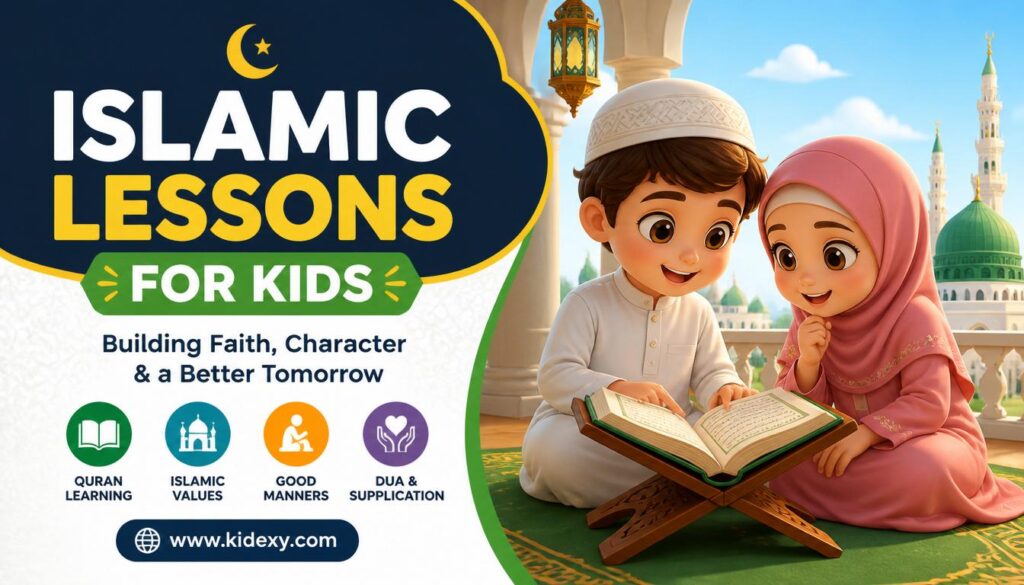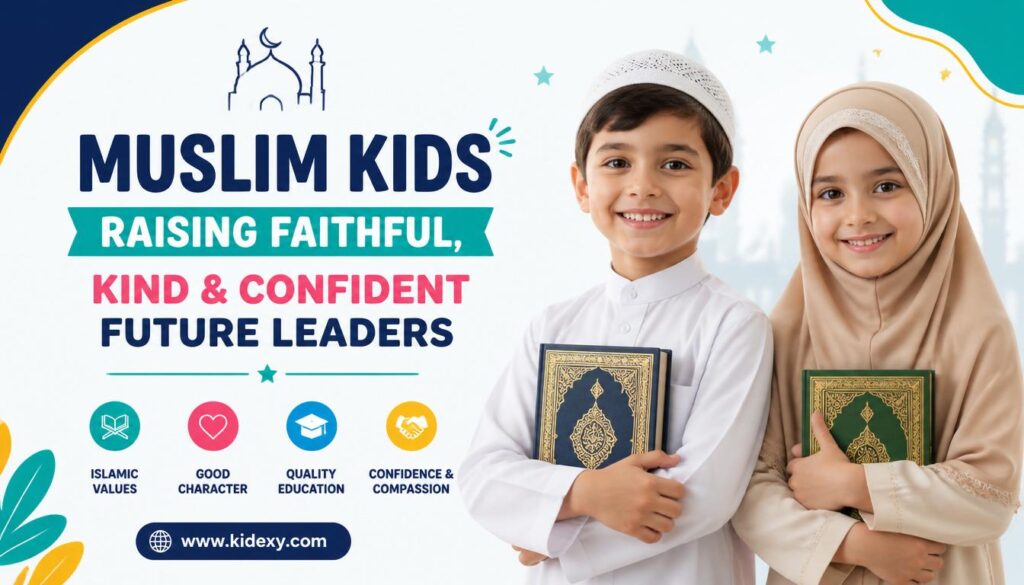
Education plays a vital role in shaping an individual’s future, character, and understanding of the world. While academic learning helps students develop professional skills and knowledge, spiritual and moral education provides guidance for living a meaningful life. This is where islamic education becomes essential. It offers a balanced approach that combines religious teachings, ethical values, and intellectual development.
In today’s rapidly changing world, students face many challenges, including social pressure, moral confusion, and the influence of digital media. Islamic education helps them navigate these challenges by providing a strong foundation rooted in faith, wisdom, and responsibility. It encourages students to become knowledgeable, compassionate, and productive members of society while maintaining a strong connection with their beliefs.
What Is Islami Education?
Definition of Islamic Education
Islamic education is a comprehensive system of learning based on the teachings of the Quran and the Sunnah of Prophet Muhammad (PBUH). Its purpose is to develop individuals who possess strong faith, good character, and beneficial knowledge. Unlike education that focuses only on academic achievement, it aims to nurture the mind, heart, and soul together.
This educational approach emphasizes the importance of seeking knowledge as an act of worship. Students learn not only religious principles but also how to apply those principles in their daily lives. Through this process, they gain a deeper understanding of their responsibilities toward Allah, themselves, and society.
Foundations of Islami Education
The foundation of islamic education lies in the Quran, which serves as the primary source of guidance for Muslims. The Quran teaches values such as honesty, justice, patience, and compassion while providing direction for both personal and social life. Studying its teachings helps students build a strong spiritual and moral framework.
The Sunnah complements the Quran by offering practical examples of how Islamic teachings should be implemented. Through learning about the life and character of Prophet Muhammad (PBUH), students gain valuable lessons that inspire them to develop positive habits and strong ethical standards.
Core Components of Islami Education
Quranic Studies
Quranic studies form a central part of Islamic learning. Students learn proper recitation through Tajweed while also studying the meanings and lessons contained within the Quran. This process strengthens their understanding of faith and deepens their connection with Allah.
Beyond recitation, students are encouraged to reflect on Quranic teachings and apply them to everyday situations. The guidance found in the Quran helps them make informed decisions and develop a positive outlook on life.
Hadith and Sunnah
The study of Hadith introduces students to the sayings, actions, and approvals of Prophet Muhammad (PBUH). These teachings provide practical guidance for dealing with personal, family, and social matters in accordance with Islamic principles.
Learning the Sunnah helps students understand how faith can be translated into action. It encourages kindness, honesty, patience, and respect, all of which contribute to personal growth and stronger relationships.
Islamic Jurisprudence and Worship
Islamic jurisprudence, commonly known as Fiqh, teaches students about acts of worship and daily responsibilities. It explains the rules related to prayer, fasting, charity, and other aspects of Islamic life, helping students practice their faith correctly.
Understanding these principles enables students to appreciate the wisdom behind Islamic teachings. It also helps them approach religious obligations with confidence and sincerity, making worship a meaningful part of their lives.
Arabic Language Learning
Arabic is closely connected to Islamic scholarship because it is the language of the Quran. Learning Arabic allows students to engage directly with Islamic texts and gain a deeper understanding of their meanings.
In addition, Arabic language skills provide access to centuries of Islamic knowledge and literature. This enriches the educational experience and helps students appreciate the intellectual heritage of the Muslim world.
Benefits of Islami Education for Students
Strengthening Faith and Spiritual Growth
One of the greatest advantages of islamic education is its ability to strengthen faith. Students learn about the purpose of life, the importance of worship, and the relationship between humans and their Creator. This understanding provides direction and meaning in everyday life.
A strong spiritual foundation also promotes inner peace and emotional stability. Students who develop a close connection with Allah often find comfort and guidance during difficult situations, helping them face challenges with patience and resilience.
Building Strong Moral Character
Moral development is a key objective of Islamic learning. Students are taught values such as honesty, integrity, humility, and kindness. These qualities influence how they interact with others and how they respond to different situations.
Strong character benefits both individuals and society. Students who practice ethical behavior are more likely to become trustworthy leaders, responsible citizens, and positive role models within their communities.
Enhancing Personal Discipline
Regular acts of worship encourage discipline and self-control. Daily prayers, fasting, and other religious practices help students develop routines that promote responsibility and accountability.
This discipline often extends into academic and personal life. Students learn the importance of managing time effectively, fulfilling commitments, and maintaining focus on long-term goals.
Promoting Lifelong Learning
Islam places significant importance on seeking knowledge throughout life. Students are encouraged to explore beneficial subjects, ask questions, and continue learning beyond the classroom.
This mindset fosters intellectual curiosity and personal growth. It also helps students appreciate both religious and worldly knowledge as valuable tools for success and service to humanity.
Importance of Islami Education in Modern Society
Preserving Islamic Values
Modern societies are influenced by rapidly changing trends and cultural shifts. Islamic education helps preserve important values and traditions by teaching students the principles of their faith and the significance of maintaining a strong moral identity.
These values provide stability and guidance in an environment where ethical standards can sometimes become unclear. Students learn to make choices based on principles rather than temporary influences.
Addressing Contemporary Challenges
Young people today encounter challenges related to technology, social media, and peer pressure. Islamic teachings provide a framework for evaluating these influences and making responsible decisions.
By understanding ethical principles, students become better equipped to navigate modern life while remaining committed to their beliefs. This balance is essential for maintaining both personal integrity and social responsibility.
Encouraging Community Development
Islam encourages individuals to contribute positively to society. Students learn the importance of helping others, supporting charitable causes, and working toward the common good.
These lessons promote active citizenship and community engagement. As a result, students develop a sense of responsibility that extends beyond personal success and includes concern for the well-being of others.
The Role of Islami Education in Student Development
Academic Development
Islamic teachings encourage the pursuit of knowledge and intellectual excellence. Students are motivated to study, think critically, and explore various fields of learning while maintaining ethical standards.
This balanced approach supports academic achievement while ensuring that knowledge is used responsibly. Students learn that education should benefit both themselves and society as a whole.
Emotional and Social Growth
Islamic education contributes significantly to emotional well-being by teaching patience, gratitude, empathy, and forgiveness. These qualities help students manage stress and build healthier relationships.
Socially, students learn to respect others, cooperate effectively, and communicate with kindness. These skills are valuable in family life, educational settings, and future careers.
Leadership and Responsibility
Leadership in Islam is closely connected to service, fairness, and accountability. Students are encouraged to develop qualities that enable them to guide others positively and make responsible decisions.
Through these lessons, they gain confidence and a sense of purpose. This preparation helps them become future leaders who contribute positively to their communities and professions.
Conclusion
Islamic education is much more than religious instruction. It is a comprehensive system that nurtures faith, character, knowledge, and personal responsibility. By combining spiritual development with intellectual growth, it helps students become balanced individuals who can succeed in both their personal and professional lives.
As the world continues to evolve, the value of islamic education remains as relevant as ever. It equips students with timeless principles that guide their decisions, strengthen their character, and inspire them to make meaningful contributions to society. Investing in Islamic learning is ultimately an investment in a brighter future for individuals, families, and communities.
FAQs
What is the main purpose of Islami education?
The main purpose of Islamic education is to develop knowledgeable individuals with strong faith, good character, and a sense of responsibility toward Allah and society.
How does Islami education benefit students?
It strengthens faith, improves moral character, promotes discipline, and encourages lifelong learning while helping students make ethical decisions.
What subjects are included in Islami education?
Common subjects include Quranic studies, Hadith, Fiqh, Islamic history, Aqeedah, Arabic language, and moral education.
Can Islami education be combined with modern education?
Yes, many schools successfully combine Islamic studies with modern academic subjects to provide students with a balanced and comprehensive education.
Why is Islami education important in modern society?
It helps preserve moral values, provides guidance for contemporary challenges, and prepares students to become responsible and productive members of society.