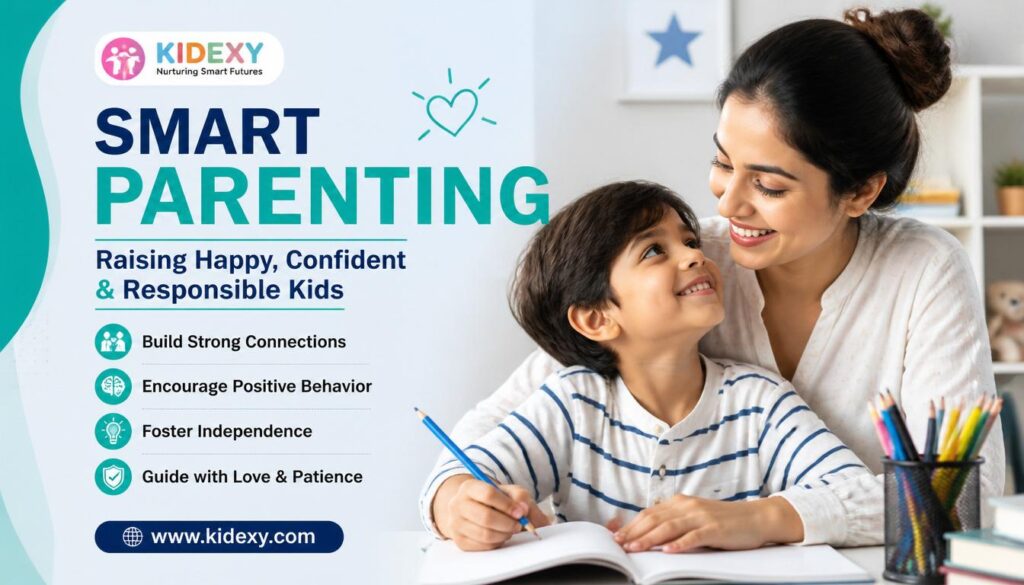
Parenting is one of the most rewarding experiences in life, but it can also be one of the most challenging. Every parent wants to raise children who are happy, confident, respectful, and emotionally strong. However, daily disagreements, behavioral issues, and communication gaps can make the journey feel overwhelming at times.
The good news is that successful parenting does not require perfection. Small, consistent actions can have a lasting impact on a child’s development. By applying practical parenting tips, families can build stronger relationships, reduce conflict, and create a positive home environment where children can thrive.
Understanding the Foundations of Positive Parenting
Positive parenting focuses on building a strong relationship between parents and children through respect, communication, and guidance. Instead of relying on fear or harsh punishment, it encourages teaching and supporting children as they learn important life skills.
Children who grow up in a positive environment often feel safer expressing their thoughts and emotions. They are more likely to develop confidence, healthy self-esteem, and strong social skills. Positive parenting also helps create trust, making it easier for children to seek support when they face challenges.
What Positive Parenting Really Means
Positive parenting is not about allowing children to do whatever they want. It involves setting clear expectations while treating children with kindness and respect. Parents guide behavior through teaching rather than controlling.
This approach helps children understand the reasons behind rules. Instead of obeying out of fear, they learn responsibility and self-discipline, which can benefit them throughout their lives.
Why Strong Parent-Child Relationships Matter
A strong relationship forms the foundation of healthy child development. When children feel loved and accepted, they are more willing to cooperate and communicate openly.
Trust develops through consistent support, attention, and understanding. Even during difficult moments, a strong connection helps parents guide children effectively without creating unnecessary conflict.
Common Parenting Challenges Families Face Today
Modern families face many pressures, including busy schedules, academic expectations, technology use, and social influences. These factors can sometimes create stress for both parents and children.
Recognizing these challenges is important because it allows families to address them proactively. Healthy communication and realistic expectations can help reduce many common parenting struggles.
Parenting Tips for Building Strong Emotional Connections
A strong emotional bond helps children feel secure and valued. When children know they can depend on their parents, they are more likely to develop healthy relationships and positive self-worth.
Building connection does not require expensive activities or complicated plans. Consistent attention and meaningful interactions often have the greatest impact.
Spend Quality Time Every Day
Children benefit greatly from focused attention. Even a short period of uninterrupted time can strengthen the parent-child relationship. Listening, playing, reading, or simply talking together can make children feel important.
Quality time also creates opportunities for parents to understand what is happening in their children’s lives. These daily interactions help build trust and encourage open communication.
Practice Active Listening
Listening goes beyond hearing words. Active listening involves paying attention to emotions, body language, and concerns without immediately offering criticism or solutions.
When children feel heard, they become more comfortable sharing their thoughts. This openness can prevent misunderstandings and strengthen family relationships over time.
Show Consistent Love and Affection
Children need regular reminders that they are loved unconditionally. Words of encouragement, supportive conversations, and physical affection help create emotional security.
Consistent affection also builds resilience. Children who feel supported are often better equipped to handle challenges and setbacks with confidence.
Parenting Tips for Encouraging Good Behavior
Good behavior develops through guidance, consistency, and positive reinforcement. Children learn best when expectations are clear and consequences are fair.
Rather than focusing only on mistakes, parents can encourage positive actions by recognizing effort and progress. This approach motivates children to continue making good choices.
Set Clear Expectations and Boundaries
Children thrive when they understand what is expected of them. Clear rules provide structure and help children feel secure in their environment.
Boundaries should be realistic and consistently enforced. When expectations change frequently, children may become confused and frustrated.
Use Positive Reinforcement Effectively
Positive reinforcement encourages children to repeat desirable behaviors. Simple praise, recognition, and encouragement can be powerful motivators.
Focusing on strengths helps children develop confidence while improving behavior. When children feel appreciated, they are often more willing to cooperate and follow family rules.
Address Misbehavior Calmly and Respectfully
Every child makes mistakes. Responding calmly allows parents to teach valuable lessons instead of escalating conflicts.
Respectful discipline helps children understand the consequences of their actions while maintaining their dignity. This creates learning opportunities rather than power struggles.
Helping Children Develop Confidence and Independence
Confidence grows when children have opportunities to learn, make decisions, and solve problems. Parents play an important role by providing support while allowing children to develop independence.
Children who feel capable are more likely to take on challenges and persist when difficulties arise. This mindset contributes to long-term success and well-being.
Encourage Problem-Solving Skills
Instead of immediately providing answers, parents can encourage children to think through problems and consider possible solutions. This builds critical thinking and decision-making abilities.
Children gain confidence when they discover they can overcome obstacles independently. Over time, these experiences strengthen resilience and self-reliance.
Give Age-Appropriate Responsibilities
Responsibilities teach accountability and life skills. Simple tasks around the home help children feel capable and valued as contributing family members.
Completing responsibilities also develops a sense of achievement. Children learn that their actions have meaningful results and that they can be trusted.
Celebrate Achievements Without Creating Pressure
Recognition is important, but children should not feel that their worth depends solely on performance. Celebrating effort encourages a healthy attitude toward learning and growth.
When parents focus on progress rather than perfection, children become more willing to try new things and learn from mistakes.
Parenting Tips for Raising Emotionally Resilient Kids
Resilience helps children navigate life’s challenges with confidence and determination. Emotionally resilient children can adapt to change, recover from setbacks, and maintain a positive outlook.
Parents can support resilience by teaching emotional awareness and providing guidance during difficult situations.
Teaching Emotional Awareness
Children need help understanding and expressing their emotions. Parents can encourage emotional awareness by discussing feelings openly and respectfully.
Learning to identify emotions allows children to communicate their needs more effectively. It also reduces frustration and improves relationships.
Supporting Children Through Challenges
Challenges provide valuable learning opportunities. Rather than removing every obstacle, parents can guide children through difficult experiences while offering support.
This approach teaches perseverance and problem-solving. Children learn that setbacks are temporary and that they have the ability to overcome difficulties.
Modeling Healthy Emotional Behavior
Children learn by observing the adults around them. Parents who manage emotions in healthy ways provide powerful examples for their children.
Demonstrating patience, empathy, and self-control teaches children how to respond constructively in challenging situations.
Creating Healthy Family Routines and Habits
Daily routines provide stability and predictability. Children often feel more secure when they know what to expect throughout the day.
Healthy habits established during childhood can positively influence physical, emotional, and social well-being for years to come.
The Importance of Daily Structure
Consistent routines reduce stress and improve cooperation. Regular schedules for meals, homework, and bedtime help children understand expectations.
Structure also supports time management and responsibility. Children learn valuable organizational skills that benefit them in many areas of life.
Encouraging Healthy Lifestyle Choices
Nutrition, physical activity, and adequate sleep play important roles in child development. Healthy habits support learning, behavior, and emotional regulation.
Parents can encourage these habits by modeling healthy choices and creating supportive environments at home.
Managing Screen Time Effectively
Technology is a significant part of modern life, but balance is essential. Excessive screen use can interfere with physical activity, sleep, and family interactions.
Establishing reasonable limits helps children develop healthier relationships with technology while encouraging other meaningful activities.
Parenting Tips for Different Stages of Childhood
Children’s needs change as they grow. Effective parenting requires flexibility and an understanding of developmental differences.
Adapting parenting strategies to each stage helps parents provide appropriate support and guidance.
Parenting Toddlers and Preschoolers
Young children are naturally curious and eager to explore. They benefit from patience, consistency, and opportunities for learning through play.
Simple routines and clear expectations help young children feel secure while encouraging independence.
Parenting School-Age Children
School-age children develop stronger social skills and greater independence. Parents can support them by encouraging responsibility and maintaining open communication.
This stage is also important for developing confidence, problem-solving abilities, and positive habits.
Parenting Teenagers
Teenagers seek greater independence while still needing guidance and support. Building trust becomes especially important during this stage.
Open communication and mutual respect help maintain strong relationships while preparing teens for adulthood.
Common Parenting Mistakes to Avoid
Many parenting challenges stem from habits that unintentionally create confusion or conflict. Recognizing these patterns can improve family relationships.
Common mistakes include inconsistent discipline, excessive control, unrealistic expectations, and comparing children to others. These behaviors can undermine confidence and trust.
Parents should also remember the importance of self-care. Caring for personal well-being improves patience, emotional regulation, and overall parenting effectiveness.
How Parents Can Continue Growing and Learning
Parenting is an ongoing learning experience. As children grow and circumstances change, parents often need to adjust their approaches.
Seeking knowledge, reflecting on experiences, and remaining open to growth can help parents navigate challenges more effectively. Every family is unique, and continuous learning supports long-term success.
Parents who embrace flexibility and focus on connection rather than perfection often build stronger relationships with their children and create more positive family environments.
Conclusion
Raising happy, confident children does not require perfect parenting. It requires consistency, patience, and a commitment to building strong relationships. By focusing on communication, emotional connection, positive discipline, and healthy habits, parents can create an environment where children feel supported and valued.
These parenting tips can help reduce daily power struggles while encouraging confidence, resilience, and independence. Small positive actions taken every day often lead to meaningful long-term results for both parents and children.
FAQs
What are the most effective parenting tips for raising confident children?
Encouraging independence, praising effort, providing emotional support, and allowing children to solve age-appropriate problems can help build confidence.
How can parents discipline children without yelling?
Parents can use calm communication, clear expectations, consistent consequences, and positive reinforcement to guide behavior effectively.
Why is positive reinforcement important in parenting?
Positive reinforcement encourages children to repeat desirable behaviors while improving self-esteem and strengthening parent-child relationships.
How can parents reduce daily power struggles at home?
Setting clear boundaries, maintaining routines, offering choices, and communicating respectfully can significantly reduce conflicts.
What role does emotional connection play in child development?
A strong emotional connection helps children feel secure, improves communication, strengthens self-confidence, and supports healthy social and emotional development.