Introduction
Every parent wants their child to grow into a healthy, energetic, and confident individual. In today’s fast-moving world, children are exposed to unhealthy food choices, excessive screen time, poor sleep routines, and limited physical activity. Because of these modern challenges, parents must understand the importance of creating healthy habits early in life. Simple daily routines can shape a child’s future health and overall well-being in powerful ways.
Kids health tips are not only about preventing illness. They also focus on helping children develop physically, emotionally, mentally, and socially. Healthy children perform better in school, enjoy stronger immunity, and often build better relationships with others. Parents who guide their children toward healthier lifestyles create a strong foundation that supports growth, learning, and happiness throughout childhood and beyond.
Understanding the Importance of Child Health
Childhood is one of the most important stages of human development. During these years, children experience rapid physical growth, brain development, and emotional learning. Parents who pay close attention to their child’s daily habits can help prevent future health problems. Healthy habits formed in early life often continue into adulthood, making childhood wellness a lifelong investment.
Many parents focus only on treating illness instead of preventing it. However, prevention is one of the most effective approaches to child health. Good nutrition, proper sleep, regular exercise, emotional support, and hygiene practices work together to create a balanced lifestyle. Following useful kids health tips every day can help children stay active, strong, and emotionally stable while reducing the risk of chronic illnesses later in life.
Healthy Eating Habits for Growing Children
Nutrition plays a major role in the physical and mental growth of children. A healthy diet provides the body with essential vitamins, minerals, proteins, and healthy fats needed for development. Children who eat balanced meals often have more energy, stronger bones, better concentration, and improved immunity. Parents should focus on offering fresh and colorful foods that support healthy growth naturally.
Fruits, vegetables, whole grains, dairy products, eggs, fish, beans, and lean meats should become regular parts of a child’s diet. Instead of relying on sugary snacks and processed foods, families should encourage homemade meals and healthy snacks. Parents can make meals more exciting by involving children in cooking activities and allowing them to choose healthy ingredients. These simple strategies make healthy eating enjoyable and sustainable for young children.
The Role of Breakfast in Child Development
Breakfast is often called the most important meal of the day because it gives children the energy needed to begin their morning activities. A nutritious breakfast improves concentration, memory, and school performance. Children who skip breakfast may feel tired, distracted, or irritable during the day. Providing a healthy morning meal helps children stay focused and active.
Parents should include protein, fiber, and healthy carbohydrates in breakfast meals. Foods like oatmeal, yogurt, eggs, whole-grain toast, and fresh fruits are excellent choices for growing children. Sugary cereals and processed snacks should be limited because they can cause energy crashes later in the day. One of the best kids health tips for busy families is preparing simple breakfast options ahead of time to maintain consistency.
Importance of Hydration for Kids
Water is essential for every function in the human body. Children need enough fluids daily to support digestion, temperature regulation, energy production, and brain function. Many children consume sugary drinks instead of water, which can contribute to obesity and dental problems. Encouraging healthy hydration habits early in life is extremely important for long-term wellness.
Parents can make hydration more enjoyable by offering colorful water bottles, fruit-infused water, or healthy smoothies without added sugar. During hot weather or physical activities, children require even more fluids to stay hydrated. One of the simplest kids health tips is teaching children to drink water regularly instead of waiting until they feel thirsty. Proper hydration supports both physical and mental performance throughout the day.
Physical Activity and Active Play
Children naturally enjoy movement and play, but modern lifestyles often reduce opportunities for physical activity. Spending too much time watching television, playing video games, or using mobile devices can negatively affect a child’s health. Regular exercise strengthens muscles, improves heart health, boosts mood, and supports healthy weight management. Active children usually sleep better and feel happier overall.
Parents should encourage at least one hour of physical activity every day. Outdoor games, cycling, dancing, swimming, and sports are excellent ways to keep children active. Family activities like walking in parks or playing together at home also strengthen emotional bonds. Among the most practical kids health tips is turning exercise into a fun experience instead of treating it like a chore.
Limiting Screen Time for Better Health
Technology has become a major part of modern childhood, but too much screen exposure can create health concerns. Excessive screen time may reduce physical activity, disturb sleep patterns, and affect social development. Children who spend long hours using electronic devices often experience reduced attention spans and unhealthy eating habits. Parents should create healthy limits for digital entertainment.
Setting screen-free times during meals, before bedtime, and during family activities can help children develop healthier routines. Encouraging hobbies like reading, drawing, outdoor games, or creative projects gives children positive alternatives to screens. One valuable kids health tips strategy is leading by example because children are more likely to reduce screen use when parents also practice balanced technology habits.
Importance of Quality Sleep
Sleep is essential for healthy growth, brain development, and emotional balance in children. During sleep, the body repairs tissues, strengthens immunity, and processes learning experiences. Lack of sleep may cause mood swings, poor concentration, weakened immunity, and behavioral problems. Healthy sleep routines are extremely important for maintaining a child’s physical and mental well-being.
Parents should establish consistent bedtime schedules and create calm sleeping environments. Avoiding screens before bedtime and limiting sugary foods at night can improve sleep quality significantly. Younger children generally need more sleep than teenagers, so parents should adjust routines based on age. One of the most effective kids health tips is maintaining regular sleep habits even during weekends and holidays.
Building Strong Immunity Naturally
Children are often exposed to germs at schools, playgrounds, and public places. A strong immune system helps protect them from infections and illnesses. Healthy eating, exercise, hydration, sleep, and hygiene all work together to support immunity naturally. Parents should focus on building healthy daily habits instead of depending only on medications when children become sick.
Foods rich in vitamins and antioxidants can strengthen the immune system effectively. Citrus fruits, leafy vegetables, yogurt, nuts, seeds, and fish provide nutrients that support overall health. Teaching children to wash their hands regularly and cover their mouths when coughing also helps reduce the spread of infections. Following simple kids health tips consistently can significantly improve a child’s resistance to common illnesses.
Mental Health and Emotional Well-Being
Mental health is just as important as physical health during childhood. Children experience emotions, stress, fears, and social challenges that can affect their behavior and development. Parents should create a safe environment where children feel comfortable sharing their feelings openly. Emotional support from family members helps children develop confidence, resilience, and healthy communication skills.
Children benefit from encouragement, positive attention, and quality family time. Parents should listen carefully to their children’s concerns and avoid dismissing their emotions. Activities like storytelling, art, outdoor play, and relaxation exercises can improve emotional well-being naturally. One of the most overlooked kids health tips is supporting a child’s mental health with patience, kindness, and understanding every day.
Encouraging Healthy Social Skills
Healthy social interactions teach children how to communicate, cooperate, and solve problems effectively. Friendships and social experiences help children develop empathy, teamwork, and emotional intelligence. Children who build strong social skills often feel more confident in school and community settings. Parents play a major role in guiding children toward positive relationships.
Families can encourage healthy social development by organizing playdates, involving children in group activities, and teaching respectful communication. Children should also learn how to handle disagreements calmly and express emotions appropriately. Praising kindness, honesty, and helpful behavior reinforces positive habits. One valuable kids health tips approach is helping children understand the importance of compassion and mutual respect from an early age.
Healthy Hygiene Habits for Kids
Good hygiene protects children from infections and supports overall wellness. Teaching hygiene habits during childhood creates routines that can last a lifetime. Simple practices like washing hands, brushing teeth, bathing regularly, and wearing clean clothes help reduce the spread of germs and maintain physical health. Parents should explain hygiene in ways children can easily understand.
Oral health is especially important because dental problems can affect eating, speaking, and self-confidence. Children should brush twice daily and visit the dentist regularly for checkups. Parents can make hygiene fun by using colorful toothbrushes, songs, or reward charts. Among the most effective kids health tips is turning healthy routines into enjoyable activities that children willingly follow.
The Importance of Regular Medical Checkups
Routine medical checkups help monitor a child’s growth and development while identifying possible health concerns early. Doctors can track height, weight, vision, hearing, and overall physical health during these visits. Preventive care allows parents to receive professional guidance about nutrition, vaccinations, sleep, and developmental milestones specific to their child’s age.
Vaccinations protect children from serious diseases and help maintain community health. Parents should keep accurate medical records and follow recommended immunization schedules. Regular checkups also give children confidence and familiarity with healthcare environments, reducing fear during future visits. One practical kids health tips recommendation is scheduling annual wellness appointments even when children appear healthy.
Healthy Parenting and Positive Role Modeling
Children learn by observing the adults around them. Parents who practice healthy habits often inspire their children to do the same. Eating nutritious foods, staying active, managing stress positively, and maintaining respectful communication create a healthy home environment. Positive role modeling is one of the strongest influences on child behavior and long-term wellness.
Families should spend quality time together through meals, outdoor activities, and meaningful conversations. Parents who show patience, kindness, and consistency help children feel secure and emotionally supported. Encouraging independence while providing guidance also builds confidence and responsibility. One of the best kids health tips for families is creating routines that promote health for every member of the household.
Managing Stress in Children
Children can experience stress from school pressure, social situations, family changes, or academic expectations. When stress becomes overwhelming, it may affect sleep, behavior, concentration, and emotional health. Parents should recognize warning signs such as irritability, sadness, withdrawal, or frequent headaches. Understanding these signs allows families to provide support before problems become more serious.
Creating a calm and supportive home environment helps children cope with stress more effectively. Relaxation activities like deep breathing, storytelling, music, and outdoor play can improve emotional balance naturally. Parents should also encourage open conversations without judgment. One important kids health tips strategy is teaching children healthy coping skills that build emotional resilience throughout life.
Supporting Brain Development Through Learning
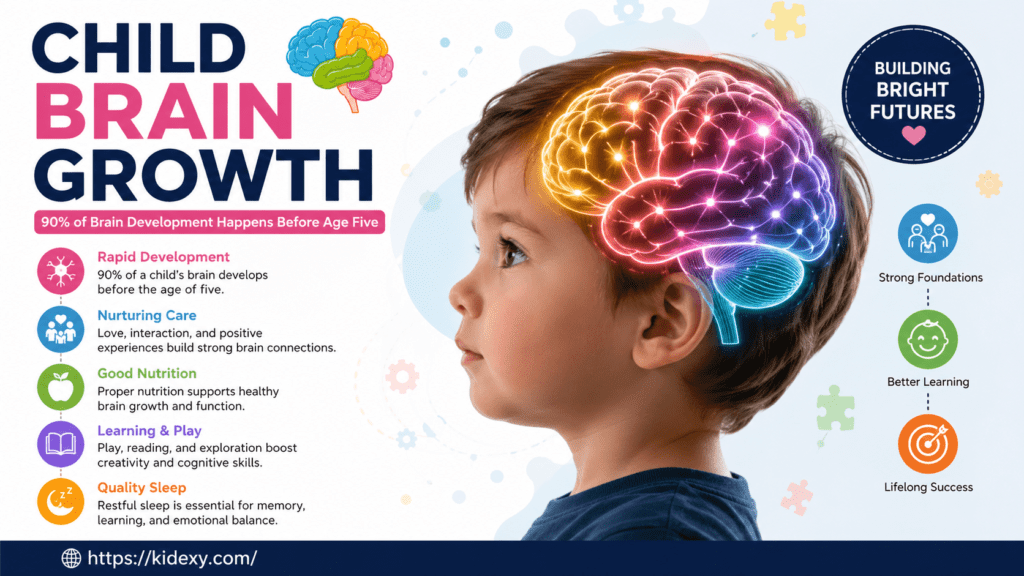
A child’s brain develops rapidly during the early years, making learning experiences extremely valuable. Reading books, solving puzzles, creative play, and educational games stimulate thinking and imagination. Children who receive intellectual stimulation often develop stronger language, memory, and problem-solving skills. Parents can support brain development through simple daily interactions and positive learning environments.
Limiting passive entertainment while encouraging curiosity helps children become active learners. Asking questions, exploring nature, and involving children in creative projects strengthen cognitive growth. Educational activities should feel enjoyable rather than stressful. One of the smartest kids health tips is combining learning with play because children absorb information more effectively through engaging experiences.
Healthy Snacks and Smart Food Choices
Children often feel hungry between meals, making snacks an important part of their daily nutrition. Healthy snacks provide energy, improve concentration, and support growth. Instead of offering processed chips, candies, or sugary treats, parents should choose nutritious options that contain vitamins, fiber, and protein. Smart snack choices contribute to healthier eating habits over time.
Fresh fruits, yogurt, nuts, cheese, boiled eggs, and homemade sandwiches are excellent snack ideas for children. Parents can prepare snacks in advance to avoid relying on unhealthy convenience foods. Teaching children how to choose healthy snacks also builds independence and awareness. One practical kids health tips method is keeping healthy foods visible and easily accessible at home.
Creating Healthy Family Routines
Children thrive in environments that provide structure, consistency, and emotional support. Healthy family routines help children feel secure while teaching responsibility and time management. Shared meals, bedtime routines, study schedules, and physical activities create balance in daily life. Families who spend quality time together often experience stronger relationships and better communication.
Consistency helps children understand expectations and develop self-discipline naturally. Parents should involve children in planning routines to increase cooperation and motivation. Even small daily habits can create positive long-term effects on physical and emotional health. Among the most effective kids health tips is maintaining routines that support both wellness and family connection.
Seasonal Health Tips for Children
Different seasons bring unique health challenges for children. During summer, children may face dehydration, sunburn, and heat-related illnesses. Parents should encourage hydration, lightweight clothing, and sunscreen use during outdoor activities. In colder months, respiratory infections and reduced physical activity become more common. Seasonal awareness helps families protect children throughout the year.
Winter health routines should include warm clothing, healthy foods, proper sleep, and regular handwashing. Indoor physical activities can help children remain active when outdoor play becomes difficult. Seasonal fruits and vegetables also support immunity during changing weather conditions. One helpful kids health tips practice is adjusting routines according to seasonal needs while maintaining healthy habits consistently.
Common Mistakes Parents Should Avoid
Many parents unintentionally develop habits that negatively affect their child’s health. Allowing excessive junk food, inconsistent sleep schedules, too much screen time, or limited physical activity can create long-term problems. Some parents also use unhealthy foods as rewards, which may encourage emotional eating patterns later in life. Awareness is the first step toward improvement.
Parents should avoid comparing children to others because every child develops differently. Emotional pressure, unrealistic expectations, and lack of communication can affect confidence and mental well-being. Instead of aiming for perfection, families should focus on gradual improvements and balanced lifestyles. One valuable kids health tips lesson is understanding that small healthy changes can create major long-term benefits.
Conclusion
Raising healthy children requires patience, consistency, and informed decision-making. Parents who focus on balanced nutrition, physical activity, emotional support, sleep, hygiene, and positive routines create strong foundations for lifelong wellness. Healthy habits developed during childhood often continue into adulthood, helping children grow into confident and responsible individuals with better physical and emotional health.
Kids health tips are not complicated when families focus on simple daily actions. Encouraging healthy meals, active play, open communication, and quality sleep can improve a child’s overall development significantly. Every small step matters because children learn and grow through daily experiences. By creating supportive environments and practicing healthy routines consistently, parents can guide their children toward brighter and healthier futures.
FAQs
What are the best daily kids health tips for parents?
Parents should focus on balanced meals, regular exercise, proper sleep, hydration, limited screen time, and emotional support. Consistency with healthy routines helps children develop strong physical and mental health over time.
How much sleep does a child need each night?
Sleep requirements depend on age. Younger children generally need between nine and twelve hours of sleep, while teenagers may need around eight to ten hours for healthy development and proper concentration.
Why is physical activity important for children?
Physical activity strengthens muscles and bones, supports heart health, improves mood, and helps maintain healthy body weight. Active children also tend to sleep better and develop stronger social skills.
How can parents encourage healthy eating habits?
Parents can offer balanced meals, involve children in meal preparation, provide healthy snacks, and limit sugary foods. Creating positive eating experiences without pressure encourages better long-term habits.
What foods help boost immunity in children?
Foods rich in vitamins and antioxidants support immunity effectively. Fruits, vegetables, yogurt, nuts, seeds, eggs, and fish are excellent choices for strengthening the immune system naturally.
How can screen time affect child health?
Excessive screen time may reduce physical activity, disturb sleep, affect concentration, and limit social interaction. Setting healthy boundaries helps children maintain balanced routines and healthier lifestyles.
Why are regular medical checkups important?
Routine checkups help monitor growth, detect health issues early, and ensure children receive necessary vaccinations and preventive care. Doctors also provide guidance about nutrition and development.
How can parents support a child’s mental health?
Parents should encourage open communication, provide emotional support, spend quality time together, and create safe environments where children feel comfortable expressing their feelings honestly.
What are healthy snack options for kids?
Healthy snacks include fruits, yogurt, cheese, nuts, boiled eggs, smoothies, and whole-grain sandwiches. Nutritious snacks provide energy and support healthy growth throughout the day.
What is the most important factor in healthy child development?
Consistency is one of the most important factors. Healthy routines involving nutrition, sleep, physical activity, emotional support, and hygiene all work together to support complete child development.