Introduction to Child Care Guide
Choosing the right care for a child is one of the most important decisions parents make during early childhood. A reliable child care environment helps children feel secure, supported, and emotionally connected while parents manage work, education, and daily responsibilities. Families often search for trusted services that provide safety, learning opportunities, and loving attention for growing children.
This child care guide helps parents understand everything they need to know before selecting a quality child care service. From understanding different child care options to checking safety standards and educational programs, parents can make informed decisions that benefit the emotional, physical, and social growth of their children. A well-planned child care experience creates a strong foundation for lifelong learning and confidence.
Understanding Different Types of Child Care Services
Parents today can choose from several types of child care services depending on their child’s age, family routine, work schedule, and financial situation. Each child care option offers unique benefits, learning methods, and levels of flexibility. Understanding these differences allows families to choose a care environment that matches both the child’s personality and the family’s lifestyle.
Some children perform well in structured daycare centers with organized schedules and educational activities, while others thrive in smaller home-based settings with personal attention. This child care guide encourages parents to compare services carefully, observe caregiving styles, and think about long-term developmental goals before selecting the right child care arrangement.
Daycare Centers and Structured Learning Environments
Licensed daycare centers are among the most popular child care choices for working parents because they provide professional supervision, educational programs, and age-appropriate activities throughout the day. These centers often employ trained caregivers and teachers who understand early childhood development, communication skills, and emotional support strategies for young children.
Many daycare centers include creative play, storytelling sessions, group activities, outdoor games, and healthy meal programs that support child development. Parents also appreciate predictable schedules, safety policies, and regular communication from caregivers. A structured environment can help children develop discipline, social confidence, teamwork, and learning habits before entering formal education.
Family Child Care Homes and Personalized Attention
Family child care homes provide care inside a caregiver’s home and usually involve smaller groups of children. Many parents choose this option because it creates a comfortable and familiar atmosphere that feels more personal and nurturing. Children often receive individual attention and stronger emotional connections due to the smaller caregiver-to-child ratio.
Home-based child care services may also offer flexible schedules that help parents who work unusual hours or changing shifts. Children in family child care homes can interact with mixed age groups, which may encourage empathy, cooperation, and communication skills. Parents should still check licensing requirements, hygiene practices, and safety standards before making a final decision.
In Home Nannies and Babysitters
Hiring a nanny or babysitter allows children to remain in their own home while receiving one-on-one care and supervision. This child care option is popular among families who prefer flexible schedules, private care, and customized routines. Children often feel comfortable in familiar surroundings where they can maintain their usual eating, sleeping, and play habits.
Nannies can provide personalized learning activities, transportation support, homework assistance, and focused emotional attention. Parents should carefully review experience, references, first aid knowledge, and communication skills before hiring a caregiver. Establishing clear expectations regarding schedules, discipline methods, and household responsibilities also helps create a healthy relationship between families and caregivers.
Preschool and Early Learning Programs
Preschool and early learning programs are designed to prepare children for school through educational play, communication activities, and social interaction. These programs focus on improving language development, creativity, emotional growth, and problem-solving abilities. Many parents enroll children in preschool to help them gain confidence before kindergarten.
Quality preschool programs include reading activities, music, art projects, outdoor play, and teamwork exercises that encourage curiosity and independent thinking. Teachers guide children through structured lessons while still allowing freedom for imagination and exploration. This child care guide recommends selecting programs that balance learning with fun experiences and emotional support.
Importance of Safety and Security in Child Care
Safety is one of the biggest concerns for parents searching for reliable child care services. A secure child care center should maintain proper supervision, emergency procedures, secure entrances, and child-friendly equipment to protect children from accidents or injuries. Parents should always visit facilities in person to inspect safety measures before enrollment.
A quality child care service also follows hygiene standards, emergency preparedness plans, and health policies that reduce the spread of illness. Staff members should understand first aid procedures, emergency communication methods, and child protection rules. When parents feel confident about safety standards, they can trust that their children are being cared for responsibly every day.
Staff Qualifications and Caregiver Experience
Experienced caregivers play an important role in helping children feel emotionally safe and mentally supported during daily activities. Child care providers should understand child behavior, emotional communication, learning methods, and developmental stages. Professional training allows caregivers to respond calmly to challenges while encouraging healthy growth and positive social habits.
Parents should ask about caregiver certifications, educational backgrounds, and staff training programs when visiting child care centers. A low caregiver-to-child ratio is also important because it allows children to receive more attention and support throughout the day. Caring, patient, and attentive caregivers create positive experiences that help children feel valued and respected.
Cleanliness and Healthy Child Care Environments
A clean child care environment supports both physical health and emotional comfort for young children. Toys, play areas, bathrooms, kitchens, and sleeping spaces should be sanitized regularly to reduce the spread of bacteria and illness. Parents should observe whether caregivers encourage hand washing and maintain organized spaces.
Healthy child care centers also provide nutritious meals, clean drinking water, and safe food preparation practices. Many parents overlook the importance of cleanliness during their search, but hygiene standards directly affect children’s well-being and daily comfort. A fresh, organized, and welcoming environment helps children feel relaxed and secure while learning and playing.
Location and Convenience for Families
The location of a child care service can affect a family’s daily routine, transportation schedule, and stress levels. Parents often prefer child care centers close to home or work because shorter travel times make drop-offs and pickups easier. Convenient locations also help families respond quickly during emergencies or schedule changes.
Operating hours are another important factor when comparing child care services. Families with long work hours or changing schedules may require flexible care options. This child care guide recommends choosing a provider that fits comfortably into the family’s lifestyle while still maintaining high safety and educational standards.
Understanding Child Care Costs and Budget Planning
Child care expenses can vary greatly depending on location, age group, services provided, and operating schedules. Parents should compare fees carefully and understand what is included in tuition costs before making a commitment. Some providers include meals, learning materials, and extracurricular activities, while others charge additional fees.
Families should create a realistic budget that balances affordability with quality care. Lower prices do not always guarantee value, and expensive programs are not automatically better. A smart child care decision focuses on safety, emotional support, educational quality, and caregiver reliability rather than cost alone.
Signs of a High Quality Child Care Center
High quality child care centers create positive environments where children feel emotionally secure, socially active, and mentally engaged throughout the day. Parents should observe whether children appear happy, curious, and comfortable around caregivers during visits. Positive interactions between staff and children often reflect strong caregiving standards.
A quality child care center also maintains organized schedules, educational activities, and clear communication with parents. Caregivers should speak respectfully, encourage creativity, and respond patiently to children’s needs. Centers that focus on emotional growth, safety, and learning experiences usually provide better long-term outcomes for children.
Positive Caregiver and Child Interaction
Healthy communication between caregivers and children builds trust, confidence, and emotional stability during early childhood. Caregivers should listen carefully, encourage questions, and support children through both successes and frustrations. Positive interactions help children feel safe while developing communication skills and self-esteem.
Children learn emotional behavior by observing adults around them every day. Patient and supportive caregivers model kindness, respect, and problem-solving skills through daily conversations and activities. This child care guide emphasizes the importance of selecting caregivers who genuinely enjoy working with children and supporting healthy development.
Learning Activities and Daily Child Care Routines
Children benefit from balanced schedules that combine educational learning, creative play, physical activity, and rest periods. Organized routines help children feel secure because they understand what to expect throughout the day. Structured schedules also improve behavior, independence, and emotional comfort during transitions between activities.
Quality child care programs often include reading sessions, art projects, outdoor games, music, storytelling, and social learning exercises. These activities strengthen creativity, communication abilities, and problem-solving skills. Daily routines should support both academic preparation and emotional development while still allowing children time for imagination and free play.
Communication Between Parents and Caregivers
Strong communication between parents and caregivers creates trust and consistency in a child’s daily routine. Parents should receive regular updates regarding meals, naps, learning activities, behavior, and emotional progress. Open communication helps families stay informed about their child’s experiences and developmental milestones.
Many modern child care centers use mobile applications, written reports, or parent meetings to maintain clear communication. Parents should feel comfortable asking questions, sharing concerns, and discussing their child’s needs with caregivers. Honest communication creates stronger partnerships that benefit both children and families.
Visiting and Evaluating Child Care Facilities
Parents should always visit child care facilities before making a final decision because personal observation provides valuable insight into daily operations and caregiving quality. During visits, parents can observe cleanliness, caregiver behavior, safety standards, and how children interact with staff members.
A child care tour also gives families the opportunity to ask important questions regarding discipline methods, emergency procedures, meal programs, and educational activities. Visiting multiple facilities allows parents to compare environments and choose the option that best supports their child’s emotional and developmental needs.
Questions Parents Should Ask Child Care Providers
Asking detailed questions helps parents understand how a child care service operates and whether it matches family expectations. Parents should ask about caregiver training, emergency plans, discipline strategies, operating hours, meal policies, and communication methods during the interview process.
Families should also ask how caregivers handle separation anxiety, behavioral challenges, allergies, and medical emergencies. Understanding these policies in advance prevents confusion and builds trust between parents and providers. A professional child care service should answer questions clearly and confidently without avoiding important topics.
Warning Signs Parents Should Never Ignore
Parents should pay attention to warning signs that may indicate poor child care quality or unsafe conditions. Dirty play areas, damaged equipment, harsh caregiver behavior, and lack of supervision are serious concerns that should not be ignored. Children should never appear fearful, neglected, or emotionally distressed during visits.
Another red flag includes caregivers refusing to answer questions or preventing parents from observing classrooms. A trustworthy child care center values transparency, communication, and parent involvement. Families should trust their instincts and continue searching if a facility does not feel safe, welcoming, or professionally managed.
Child Care Tips for Working Parents
Balancing work responsibilities with parenting can be challenging, especially during the early years of childhood. Reliable child care services help parents maintain productive schedules while ensuring children receive proper supervision, learning opportunities, and emotional care throughout the day.
Working parents should create organized routines for meals, sleep, transportation, and communication with caregivers. Preparing children emotionally for daily drop-offs can also reduce stress and separation anxiety. Consistency and planning make child care transitions smoother for both parents and children.
Building Strong Relationships With Caregivers
Parents and caregivers should work together as a team to support the child’s emotional, social, and educational growth. Respectful communication allows caregivers to understand the child’s routines, preferences, fears, allergies, and learning needs more effectively.
When parents build positive relationships with child care providers, children benefit from consistent guidance and emotional support. Caregivers who understand family expectations can provide better care and create more personalized learning experiences. Trust and cooperation strengthen the child care experience for everyone involved.
Managing Separation Anxiety in Children
Many children experience separation anxiety when starting a new child care environment for the first time. Crying, clinginess, and nervous behavior are common emotional responses during the adjustment period. Parents should remain patient, supportive, and emotionally calm during these transitions.
Creating a predictable goodbye routine can help children feel more secure and confident each morning. Parents should avoid long emotional departures because they may increase anxiety levels. Most children gradually adjust to new routines once they develop trust with caregivers and become familiar with their surroundings.
Healthy Nutrition in Child Care Programs
Healthy meals and snacks support children’s energy levels, concentration, growth, and emotional well-being throughout the day. Quality child care centers often provide balanced meals that include fruits, vegetables, grains, proteins, and dairy products suitable for different age groups.
Parents should ask about food preparation methods, allergy policies, and snack schedules before enrollment. Nutrition plays an important role in physical health and cognitive development during childhood. A child care environment that encourages healthy eating habits can positively influence lifelong wellness and healthy choices.
Illness Policies and Hygiene Standards
Children naturally interact closely during play and learning activities, which increases the possibility of spreading illnesses in child care settings. Strong hygiene standards help reduce infections and maintain healthier environments for children, caregivers, and families.
Professional child care providers should have clear illness policies regarding fever, contagious conditions, medication administration, and return-to-care procedures. Caregivers should encourage regular hand washing and disinfect shared toys and surfaces daily. Parents should choose centers that prioritize health and cleanliness consistently.
Social and Emotional Development Through Child Care
Child care environments help children develop important social skills through teamwork, communication, and shared activities with peers. Daily interactions teach children how to express feelings, solve conflicts, share responsibilities, and build friendships in healthy ways.
Emotional development also improves when children receive encouragement, support, and positive attention from trusted caregivers. Children who feel emotionally safe are more likely to explore new experiences, communicate openly, and build self-confidence. This child care guide highlights emotional growth as a major benefit of quality care services.
Cognitive and Educational Benefits of Child Care
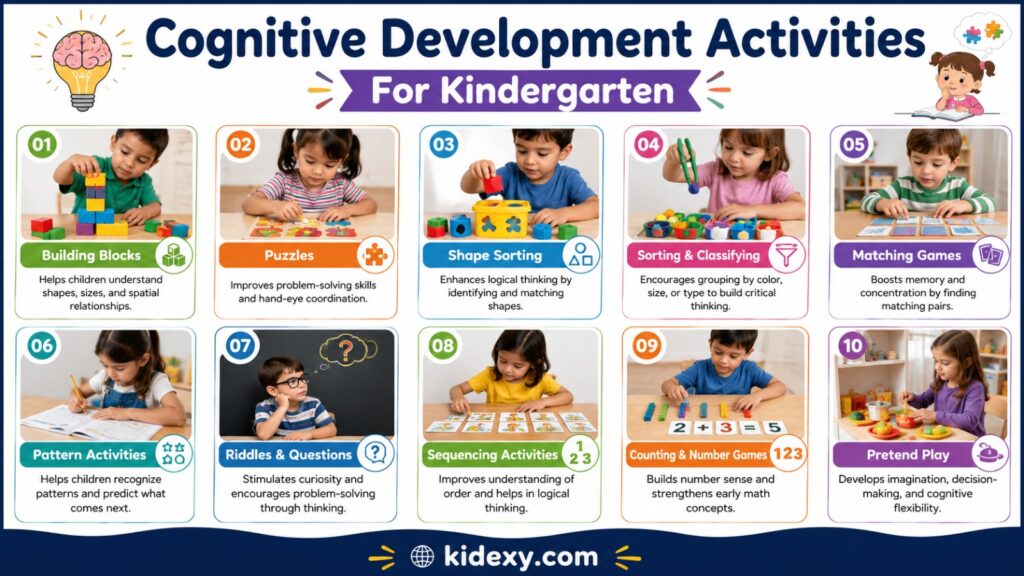
Quality child care programs introduce children to educational experiences that strengthen language, memory, creativity, and problem-solving skills before formal schooling begins. Reading activities, storytelling, puzzles, and interactive games support brain development during important learning years.
Children exposed to stimulating environments often develop stronger communication abilities and curiosity about the world around them. Educational child care programs encourage independent thinking while helping children prepare for academic success. Parents should look for centers that balance structured learning with enjoyable play experiences.
Physical Development Through Active Play
Physical activity is essential for healthy growth during childhood because it improves balance, coordination, strength, and overall fitness. Child care centers should provide safe indoor and outdoor play areas where children can run, jump, explore, and participate in active games.
Outdoor activities also support emotional well-being by reducing stress and encouraging creativity. Children who remain physically active during the day often sleep better, maintain healthier energy levels, and develop stronger motor skills. Active play should always be included in a balanced child care routine.
Technology and Modern Child Care Services
Modern child care centers increasingly use technology to improve communication, organization, and learning experiences for families and children. Parent communication applications allow caregivers to share updates, photos, meal information, and activity reports throughout the day.
Technology can also support educational development through interactive learning tools, music activities, and creative programs designed for young children. However, parents should ensure screen time remains balanced and age appropriate. Technology should enhance learning rather than replace physical activity, social interaction, and imaginative play.
Choosing the Best Child Care for Your Family
Every family has different priorities, routines, and expectations when searching for child care services. Some parents value educational programs, while others focus more on safety, location, affordability, or flexible schedules. The best child care choice depends on both the child’s personality and the family’s daily lifestyle.
Parents should compare multiple providers, read reviews, observe caregiver interactions, and trust their instincts before making a final decision. A careful and informed approach increases the likelihood of finding a child care environment where children can feel safe, happy, and emotionally supported.
Creating a Child Care Checklist Before Enrollment
A detailed checklist can help parents stay organized while comparing different child care providers. Important checklist items may include safety standards, cleanliness, caregiver experience, emergency procedures, meal programs, operating hours, educational activities, and communication methods.
Parents should also include personal priorities such as transportation convenience, emotional atmosphere, outdoor play opportunities, and tuition costs. Using a checklist prevents families from overlooking important details during visits and interviews. Organized planning makes the child care selection process more confident and effective.
Supporting Children During Child Care Transitions
Starting a new child care routine can feel overwhelming for both children and parents, especially during the first few weeks. Children may need time to build trust with caregivers, adjust to schedules, and feel comfortable around new classmates.
Parents can support smoother transitions by introducing routines gradually, visiting the center before enrollment, and speaking positively about the new experience. Consistency, patience, and emotional reassurance help children adapt more successfully to child care environments and daily schedules.
Conclusion
Choosing the right child care service requires careful planning, research, observation, and emotional consideration from parents. Safe and supportive child care environments help children develop confidence, communication skills, emotional stability, and learning abilities during the most important years of growth.
This child care guide provides parents with valuable information for comparing services, evaluating caregivers, and understanding what truly matters in quality child care. By focusing on safety, emotional support, education, and healthy routines, families can create positive experiences that support lifelong growth and happiness for their children.
FAQs
What is the best age to start child care?
The best age for child care depends on the child’s personality, family schedule, and emotional readiness. Some children begin care during infancy, while others start during toddler years or preschool. Parents should choose a timeline that supports both family needs and the child’s emotional comfort.
How can parents identify a safe child care center?
Parents should visit facilities personally and check safety equipment, supervision standards, emergency procedures, cleanliness, and caregiver behavior. Licensed centers with trained staff and secure entrances usually provide safer environments for children.
Why is caregiver experience important in child care?
Experienced caregivers understand child development, emotional communication, learning methods, and safety procedures. Professional training helps caregivers support children effectively while managing daily routines and behavioral challenges calmly.
What should parents ask during a child care interview?
Parents should ask about staff qualifications, emergency plans, meal programs, educational activities, discipline policies, communication methods, and illness procedures. Clear answers help families understand how the center operates daily.
How does child care help social development?
Child care environments encourage teamwork, communication, sharing, and friendship building through group activities and play experiences. Children learn important social skills that support emotional growth and confidence.
What are the signs of a high quality child care service?
Happy children, caring staff, clean environments, organized routines, educational activities, and open communication are common signs of quality child care. Positive caregiver interactions are especially important.
How can parents reduce separation anxiety?
Parents can reduce anxiety by creating predictable routines, remaining calm during drop-offs, and speaking positively about child care experiences. Most children adjust gradually as they become familiar with caregivers and routines.
Why is nutrition important in child care?
Healthy meals support physical growth, concentration, energy levels, and emotional well-being. Nutritious food also encourages healthy habits that benefit children throughout life.
Should parents choose daycare centers or home based care?
The best choice depends on family preferences, schedules, and the child’s personality. Daycare centers offer structured learning, while home-based care may provide more personalized attention.
How do child care programs prepare children for school?
Quality child care programs improve language skills, creativity, social interaction, and learning habits through educational activities and structured routines. These experiences help children feel more confident before entering school.