Introduction to Creative Learning Through Kids Crafts
Kids crafts play an essential role in shaping creativity, imagination, and early learning experiences in children of all ages. When children engage in hands-on creative activities, they explore colors, shapes, textures, and patterns in a way that strengthens both cognitive and emotional development. These activities also encourage self-expression, helping children communicate ideas that may be difficult to express verbally.
In today’s digital world, kids crafts provide a meaningful break from screens and gadgets. Parents and teachers often use craft activities as a tool to improve focus and engagement in learning environments. Whether at home or school, these activities help children develop patience, problem-solving skills, and confidence while enjoying a fun and productive experience.
Importance of Kids Crafts in Child Development
Kids crafts are more than just fun activities; they are powerful learning tools that support overall child development. When children cut, glue, draw, and build, they strengthen fine motor skills and hand-eye coordination. These foundational skills are essential for writing, sports, and everyday tasks, making crafting an important part of early education.
Another major benefit of kids crafts is emotional growth. Children often express feelings through colors and shapes, which helps them understand emotions better. Crafting also reduces stress and anxiety, allowing children to feel calm and focused. Over time, consistent engagement in creative activities builds self-confidence and independence.
Kids crafts also support social development when done in groups. Children learn to share materials, collaborate on ideas, and appreciate teamwork. These experiences prepare them for real-world social interactions, making crafts an important part of both classroom and home learning environments.
Age-Based Creative Activities for Kids Crafts
Different age groups benefit from kids crafts in unique ways, depending on their developmental stage. For toddlers, simple activities such as tearing paper, finger painting, and sticking colorful shapes help develop sensory awareness. These basic tasks encourage curiosity and allow children to explore materials safely and freely.
For preschool-aged children, kids crafts become slightly more structured. Activities such as cutting paper shapes, coloring worksheets, and making simple paper animals help improve coordination and focus. These tasks also introduce early concepts of shapes, numbers, and patterns in a playful way that keeps children engaged.
For older school-age children, kids crafts can include more advanced projects like building models, creating DIY science experiments, and designing decorative art pieces. These activities encourage logical thinking, creativity, and problem-solving. At this stage, children also enjoy completing projects independently, which boosts confidence and responsibility.
DIY Household Material Ideas for Kids Crafts
One of the most exciting parts of kids crafts is the ability to use everyday household items creatively. Paper plates, cardboard boxes, plastic bottles, and old newspapers can be transformed into fun and imaginative projects. These materials are not only affordable but also help teach children the importance of recycling and sustainability.
Cardboard crafts are especially popular because they allow children to build three-dimensional objects such as houses, cars, or robots. This type of activity enhances spatial awareness and creativity. Similarly, paper crafts such as origami, masks, and greeting cards help improve precision and attention to detail while keeping the process fun.
Recycled crafts also encourage environmental awareness from an early age. When children reuse materials, they learn the value of reducing waste and protecting the environment. Kids crafts using household items create endless opportunities for learning while keeping children engaged in meaningful and creative play.
Seasonal Creativity and Kids Crafts Activities
Seasonal themes make kids crafts even more exciting and relevant throughout the year. During summer, children can create sun-themed art, beach decorations, and outdoor nature crafts. These activities often involve bright colors and outdoor inspiration, making learning enjoyable and energetic.
In winter, kids crafts shift toward cozy and festive ideas such as snowflakes, holiday decorations, and handmade greeting cards. These activities encourage creativity while also connecting children with seasonal celebrations and traditions. Crafting during winter also provides indoor entertainment during colder days.
Spring and autumn offer additional inspiration for nature-based kids crafts. Flower art, leaf printing, and garden-themed projects help children observe seasonal changes in nature. Holiday-themed crafts during occasions like Christmas, Halloween, and Easter further enhance excitement and cultural learning through creativity.
Educational Value of Kids Crafts in Learning Development
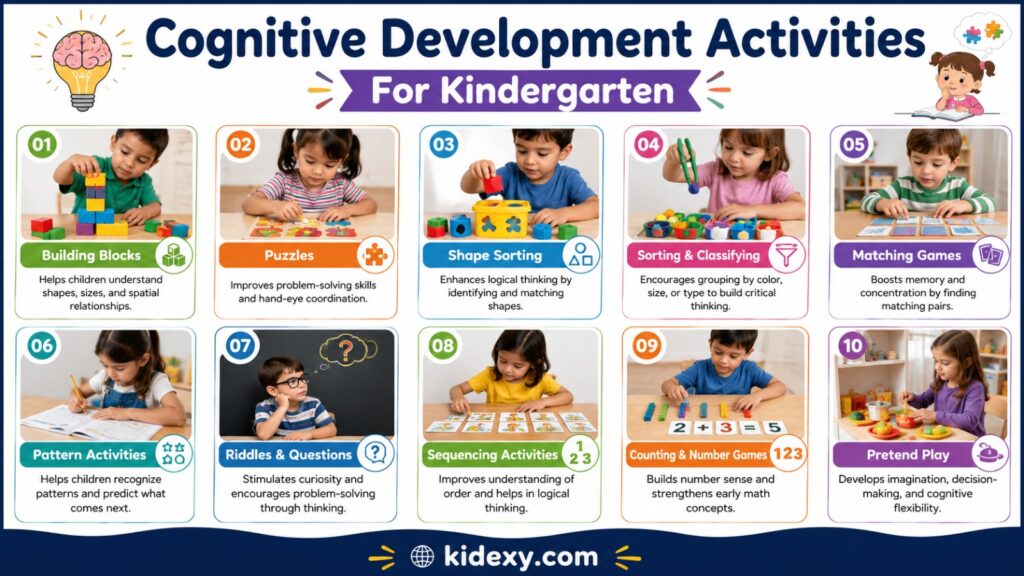
Kids crafts are strongly linked to educational growth because they combine creativity with learning concepts. Through crafting, children naturally develop skills in math, science, and language without feeling pressured. For example, counting beads or sorting colors introduces basic math concepts in an enjoyable way.
STEM-based kids crafts are becoming increasingly popular in modern education. Simple science experiments, building structures, and exploring materials help children understand how things work in the real world. These activities promote curiosity and analytical thinking, which are essential skills for future learning success.
Emotional and social learning also benefits from kids crafts. Children learn patience, persistence, and teamwork when completing projects. They also gain a sense of achievement after finishing their work, which improves self-esteem and motivation to learn new skills.
Fun Home and Classroom Kids Crafts Ideas
Kids crafts can be easily integrated into both home and school environments. At home, parents can organize simple craft sessions using available materials like paper, glue, and crayons. These activities can be short, fun, and designed to keep children engaged during free time or weekends.
In classrooms, teachers can use kids crafts as part of interactive lessons. Group projects help students collaborate while learning academic concepts creatively. Crafts can also be used as rewards or breaks between lessons to maintain focus and reduce learning fatigue.
Quick craft ideas such as coloring sheets, paper folding, and sticker art are ideal for short attention spans. These activities require minimal preparation and can be adapted for different age groups, making kids crafts a flexible and valuable educational tool.
Safety Guidelines for Kids Crafts Activities
Safety is an important consideration when engaging children in kids crafts activities. Parents and teachers should always choose non-toxic materials such as child-safe glue, blunt scissors, and washable paints. This ensures that children can enjoy crafting without unnecessary risks.
Supervision is especially important for younger children. Adults should guide them when using tools or handling small objects that could pose choking hazards. Creating a structured craft environment helps children stay focused and safe while exploring their creativity.
Organizing the craft space also contributes to safety and efficiency. Keeping materials neatly arranged reduces accidents and helps children develop responsibility. Teaching proper cleanup habits is also an important part of the crafting experience.
Encouraging Creativity Through Kids Crafts
Parents and teachers play a crucial role in encouraging creativity through kids crafts. Instead of focusing on perfect results, adults should emphasize the joy of the process. Allowing children to experiment freely helps them develop confidence and original thinking.
Creating a regular crafting routine can significantly enhance creative skills. Setting aside specific days for crafting helps children look forward to creative activities. Displaying their artwork at home or in classrooms also boosts motivation and pride in their work.
Encouragement and positive feedback are essential for building creativity. When children feel appreciated, they are more likely to explore new ideas and take creative risks. This supportive environment helps them grow into confident and imaginative individuals.
Conclusion: The Power of Kids Crafts in Everyday Learning
Kids crafts are a powerful combination of fun, learning, and creativity that benefit children in many ways. From improving motor skills to enhancing emotional intelligence, crafting plays a vital role in early development. It also provides a healthy alternative to screen time, promoting active and hands-on learning experiences.
Incorporating kids crafts into daily routines at home and school helps children develop lifelong skills such as creativity, patience, and problem-solving. These activities not only support academic growth but also encourage emotional well-being and social interaction.
Overall, kids crafts remain one of the most effective and enjoyable ways to nurture a child’s imagination and learning potential in a meaningful and lasting way.
FAQs About Kids Crafts
What are kids crafts and why are they important?
Kids crafts are creative activities that involve making art or objects using simple materials. They are important because they improve creativity, motor skills, and emotional development while making learning fun and interactive.
What materials are commonly used in kids crafts?
Common materials include paper, cardboard, glue, scissors, crayons, markers, and recycled household items. These materials are safe, affordable, and easy to use for most craft projects.
How do kids crafts help in education?
Kids crafts support education by teaching problem-solving, creativity, math concepts, and language skills in a fun and engaging way. They make learning more practical and memorable.
At what age can children start kids crafts activities?
Children can start simple crafting activities as early as toddler age with supervision. As they grow, they can gradually move to more complex and structured craft projects.
How often should children do kids crafts?
Engaging in kids crafts a few times a week is ideal. Regular practice helps improve creativity, focus, and learning skills while keeping children entertained and active.