Introduction to Child Wellness
Child wellness is a complete approach that focuses on the overall growth of a child, including physical strength, mental stability, emotional balance, and social development. It is not only about avoiding illness but also about building strong habits that support lifelong health, learning ability, and confidence in everyday life. Parents play a major role in shaping these foundations from early childhood.
In modern parenting, child wellness has become more important than ever because children are exposed to changing lifestyles, digital devices, and fast food habits. A balanced approach helps children grow in a stable and supportive environment where their body, mind, and emotions develop together. Understanding child wellness allows parents to make better decisions for their child’s future success and happiness.
Physical Health as the Foundation of Growth
Physical health is one of the strongest pillars of child wellness because a healthy body supports learning, energy, and immunity. Regular medical checkups, vaccinations, and preventive care ensure that children grow without unnecessary health risks. Active routines such as walking, running, and outdoor play improve muscle strength and overall fitness.
Good physical habits also include proper hygiene practices such as handwashing, bathing, and dental care. These habits protect children from infections and help them understand personal responsibility for their health. A physically strong child is more likely to perform better in school and daily activities, making physical health a core part of child wellness.
Nutrition and Healthy Eating Habits for Children
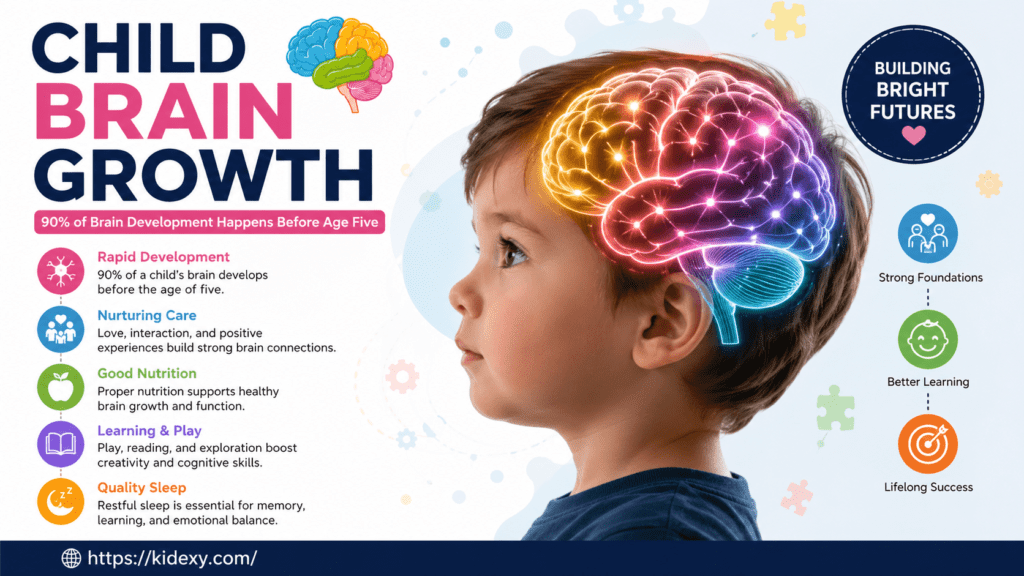
Nutrition plays a central role in child wellness because the body and brain depend on proper fuel to function effectively. A balanced diet that includes fruits, vegetables, proteins, grains, and healthy fats helps children grow stronger and more active. Poor nutrition can affect concentration, immunity, and emotional behavior in children.
Parents should also focus on building long-term healthy eating habits instead of short-term diet control. Reducing sugary drinks and processed food while encouraging home-cooked meals creates a positive relationship with food. When children understand healthy choices early, it becomes easier for them to maintain strong child wellness habits throughout life.
Mental and Emotional Development in Child Wellness
Mental and emotional health is an essential part of child wellness because it affects behavior, confidence, and social skills. Children need a safe environment where they can express their feelings without fear or pressure. Encouraging open communication helps children develop emotional intelligence and better decision-making skills.
A supportive home environment plays a major role in reducing stress and anxiety in children. When parents listen, guide, and understand their children’s emotions, it builds trust and stability. Strong emotional development allows children to handle challenges more effectively and improves their overall child wellness experience in life.
Sleep and Rest for Healthy Growth
Sleep is a powerful part of child wellness because it directly affects brain development, memory, and physical growth. Children who get proper sleep are more active, focused, and emotionally balanced. Lack of sleep can lead to irritability, weak immunity, and poor academic performance.
Creating a consistent sleep routine is important for developing healthy habits. Limiting screen time before bed and maintaining a calm sleeping environment improves sleep quality. Different age groups require different sleep durations, and understanding these needs helps parents maintain strong child wellness practices in daily life.
Learning, Play, and Cognitive Development
Learning and play are closely connected to child wellness because they help in brain development and creativity. Interactive play activities improve problem-solving skills, imagination, and social interaction. Children learn better when they are engaged in fun and meaningful experiences instead of only traditional study methods.
Reading books, storytelling, and educational games also support cognitive growth. These activities help children develop focus, curiosity, and communication skills. A balanced routine that includes both learning and play ensures healthy intellectual development, which is an important part of overall child wellness.
Creating a Safe and Supportive Environment
A safe and supportive environment is essential for child wellness because children grow best when they feel secure and valued. Emotional safety at home allows children to express themselves freely without fear of judgment. Positive parenting techniques help in building strong relationships between parents and children.
A healthy environment also includes proper discipline, guidance, and encouragement. Instead of harsh punishment, constructive communication helps children understand right and wrong. When children feel supported, they develop confidence, independence, and emotional strength, which are key elements of child wellness.
Technology, Screen Time, and Modern Child Wellness
Technology has become a part of everyday life, but excessive use can affect child wellness. Too much screen time may lead to reduced physical activity, poor sleep, and weaker social skills. It is important for parents to set healthy limits and encourage balanced usage of digital devices.
Educational technology can be useful when used in moderation. However, outdoor play, family interaction, and creative activities should remain a priority. A balanced approach helps children benefit from technology while maintaining strong physical and emotional health, supporting overall child wellness in the modern world.
Building Daily Habits for Long-Term Wellness
Daily habits play a powerful role in shaping child wellness because consistent routines create stability and discipline. Simple habits like waking up early, brushing teeth, eating healthy meals, and staying active build a strong foundation for lifelong health. These routines help children feel organized and confident.
Parents should guide children in developing responsibility for their own actions. When children follow daily routines consistently, they learn time management and self-care skills. These small habits gradually shape a healthier lifestyle and strengthen overall child wellness in both physical and mental areas.
Social Skills and Personality Development
Social development is an important part of child wellness because it helps children interact confidently with others. Learning to share, communicate, and cooperate builds strong relationships in school and daily life. Children who develop good social skills are more likely to succeed in group activities and teamwork.
Encouraging participation in group play and community activities improves personality development. When children interact with different people, they learn empathy, respect, and understanding. These experiences contribute to emotional maturity and support long-term child wellness by building a strong and balanced personality.
Importance of Preventive Health Care
Preventive healthcare is a key element of child wellness because it helps detect problems early and maintain overall health. Regular medical checkups ensure that children are growing properly and receiving necessary vaccinations on time. Early prevention reduces the risk of serious health issues in the future.
Parents should also observe small changes in behavior, appetite, or energy levels. Early attention to health concerns can prevent complications later. Preventive care not only protects physical health but also supports emotional stability, making it an essential part of child wellness management.
Conclusion
Child wellness is a complete journey that includes physical health, emotional stability, mental development, and social growth. It is not achieved through one action but through consistent care, healthy habits, and a supportive environment. Parents who focus on balanced development help children grow into confident and capable individuals.
By following proper nutrition, sleep routines, emotional support, and safe environments, families can create a strong foundation for lifelong success. Child wellness is ultimately about building a happy, healthy, and well-rounded future for every child through everyday actions and positive parenting.
FAQs
What is child wellness?
Child wellness refers to the overall development of a child’s physical, mental, and emotional health. It includes healthy habits, proper nutrition, emotional support, and safe environments that help children grow into balanced and confident individuals. It focuses on long-term development rather than short-term health improvements.
Why is child wellness important for development?
Child wellness is important because it directly affects a child’s growth, learning ability, and emotional strength. A healthy foundation helps children perform better in school, build strong relationships, and develop confidence. Without proper wellness, children may face challenges in both physical and mental development.
How can I improve my child’s physical health at home?
Improving physical health at home includes encouraging regular exercise, balanced meals, proper hygiene, and sufficient sleep. Parents should also schedule routine checkups and ensure children stay active through outdoor play. These simple steps help maintain strong immunity and overall child wellness.
What foods are best for child wellness and growth?
Healthy foods such as fruits, vegetables, whole grains, dairy products, and lean proteins are best for child wellness. These foods provide essential nutrients needed for growth, brain development, and energy. Limiting sugary snacks and processed food also improves long-term health.
How much sleep does a child need daily?
The amount of sleep depends on age, but children generally need more sleep than adults. Younger children require longer rest hours to support growth and brain development. Proper sleep improves memory, mood, and physical energy, making it a critical part of child wellness.
How does screen time affect child wellness?
Excessive screen time can negatively affect child wellness by reducing physical activity, disturbing sleep patterns, and limiting social interaction. It can also impact concentration and behavior. Balanced and limited screen use is recommended for healthy development.
What are simple daily habits to improve child wellness?
Simple habits include eating healthy meals, maintaining hygiene, staying active, following a sleep schedule, and spending time with family. These routines create discipline and stability, helping children develop strong physical and mental health over time.
How can parents support emotional development in children?
Parents can support emotional development by encouraging open communication, listening to feelings, and providing a safe and supportive environment. Positive parenting, guidance, and emotional understanding help children build confidence and improve their social skills.