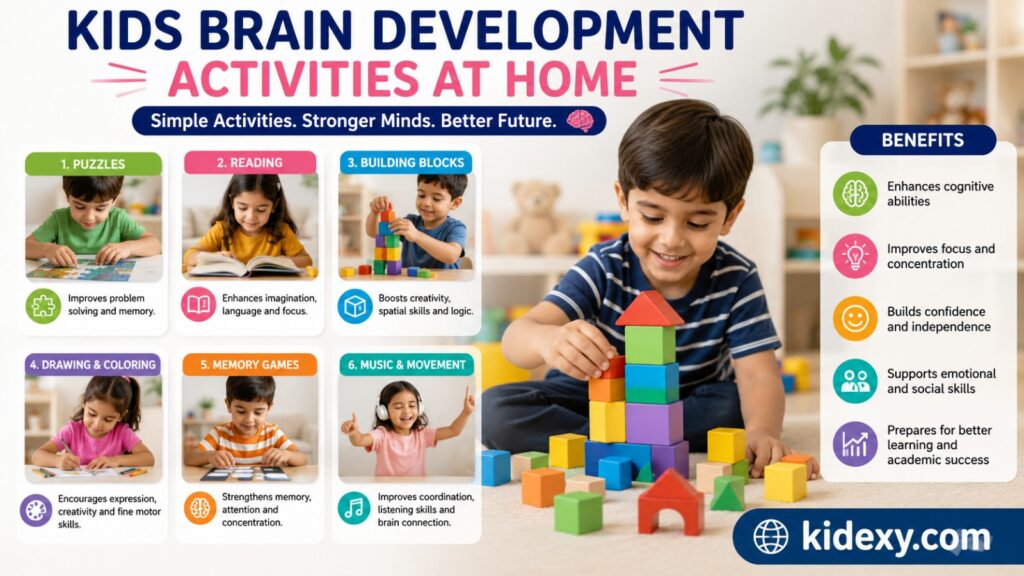
Kids puzzles are more than just fun activities. They provide children with exciting opportunities to learn, think, and develop important life skills while enjoying themselves. Whether children are solving a maze, completing a jigsaw puzzle, or working through a word search, every puzzle helps strengthen their minds in a meaningful way.
Parents and teachers often look for activities that combine entertainment with education. Kids puzzles are an excellent solution because they encourage problem-solving, creativity, and concentration. From preschoolers learning shapes and colors to elementary students practicing logic and reasoning, puzzles can support children at every stage of development.
What Are Kids Puzzles?
Kids puzzles are educational and recreational activities designed to challenge children’s thinking abilities. They come in many forms, including jigsaw puzzles, matching games, word searches, crosswords, mazes, and logic challenges. Each type offers a unique learning experience while keeping children engaged.
These activities are designed to be age-appropriate and enjoyable. Many puzzles include colorful illustrations, familiar themes, and interactive elements that attract children’s attention. As they work through puzzles, children learn to observe details, identify patterns, and find solutions independently.
Understanding Different Types of Puzzles
There are many categories of kids puzzles available today. Jigsaw puzzles help children develop spatial awareness and visual recognition skills. Maze puzzles encourage strategic thinking as children search for the correct path from start to finish.
Word searches and crossword puzzles help improve vocabulary and reading abilities. Logic puzzles challenge children to think critically and make connections between clues. Matching puzzles are especially popular among younger children because they help strengthen memory and recognition skills.
Why Children Enjoy Puzzle Activities
Children naturally enjoy challenges that provide a sense of accomplishment. Completing a puzzle gives them confidence and satisfaction. Every solved puzzle becomes a small achievement that motivates them to continue learning.
Puzzles also make learning feel like play rather than work. Instead of memorizing information, children actively engage with concepts through exploration and discovery. This interactive approach keeps them interested and encourages longer periods of focused learning.
Benefits of Kids Puzzles for Learning and Development
Kids puzzles offer a wide range of educational benefits. They support cognitive growth, improve concentration, and help children develop valuable problem-solving skills. These benefits often extend beyond puzzle activities into academic and everyday situations.
As children work through challenges, they learn patience and persistence. They discover that success often comes from trying different approaches and not giving up when something seems difficult. These lessons can positively influence many areas of life.
Improving Problem-Solving Skills
One of the greatest advantages of kids puzzles is their ability to strengthen problem-solving abilities. Children learn how to analyze information, identify patterns, and make decisions based on available clues.
As they encounter obstacles, they begin developing logical thinking skills. This process helps them become more confident when facing new challenges both inside and outside the classroom.
Strengthening Memory and Concentration
Many puzzles require children to remember details and maintain focus for extended periods. Matching games, memory puzzles, and word activities encourage children to pay close attention to information.
Regular puzzle practice can improve concentration levels over time. Better focus often leads to improved academic performance and greater success in completing tasks that require sustained attention.
Supporting Cognitive Growth
Kids puzzles stimulate various areas of the brain. They encourage reasoning, visual processing, language development, and analytical thinking. Different puzzle types target different cognitive skills, creating a well-rounded learning experience.
As children progress through increasingly complex challenges, they continue expanding their mental abilities. This gradual development supports long-term intellectual growth and learning readiness.
Encouraging Patience and Persistence
Not every puzzle can be solved immediately. Children often need to try multiple strategies before finding the correct solution. This experience teaches patience and resilience.
Learning to work through difficulties helps children develop a growth mindset. Instead of becoming discouraged by mistakes, they begin viewing challenges as opportunities to learn and improve.
Free Printable Kids Puzzles for Every Age Group
Printable puzzles remain a popular choice for parents and educators. They are convenient, affordable, and available in countless themes and difficulty levels. Many websites offer free printable worksheets that can be used at home or in the classroom.
Printable activities also provide valuable screen-free learning opportunities. Children can focus on hands-on problem-solving without digital distractions, making them an excellent addition to daily learning routines.
Preschool Puzzle Activities
Preschool puzzles are designed to introduce basic concepts through simple and engaging activities. Shape matching, color recognition, and easy mazes help young learners develop foundational skills.
These puzzles often use bright illustrations and familiar objects to maintain interest. By completing simple challenges, preschoolers begin building confidence in their learning abilities.
Kindergarten Puzzle Worksheets
Kindergarten puzzle activities introduce more structured learning concepts. Alphabet puzzles, counting exercises, and picture-based logic games support early literacy and numeracy development.
Children at this stage enjoy puzzles that combine learning with creativity. These activities help reinforce classroom lessons while keeping the learning experience enjoyable.
Elementary School Puzzle Challenges
Elementary students benefit from more advanced puzzle activities. Word searches, crosswords, brain teasers, and logic challenges encourage higher-level thinking skills.
These puzzles help children expand their vocabulary, improve reading comprehension, and develop stronger analytical abilities. They also provide opportunities for independent learning and problem-solving.
Seasonal and Holiday-Themed Puzzles
Holiday-themed puzzles add excitement to learning activities throughout the year. Seasonal worksheets often feature festive designs that capture children’s attention and increase engagement.
Whether celebrating winter holidays, summer vacations, or special occasions, themed puzzles make educational activities more enjoyable and memorable for children.
Educational Brain Games That Complement Kids Puzzles
Educational brain games work alongside kids puzzles to create a complete learning experience. These activities challenge different skills while maintaining an element of fun and discovery.
Brain games encourage active participation and help children develop confidence in their abilities. They also provide variety, which keeps learning fresh and engaging.
Language and Vocabulary Games
Language-based games support reading and communication skills. Activities such as word-building exercises, spelling challenges, and vocabulary puzzles help children expand their language knowledge.
These games encourage children to recognize word patterns and improve their understanding of language. Strong vocabulary skills often contribute to greater academic success.
Math Puzzle Activities
Math puzzles transform numbers into enjoyable challenges. Activities involving counting, addition, subtraction, and logic help children strengthen mathematical understanding.
By presenting concepts in an interactive format, math puzzles reduce anxiety and increase enthusiasm for learning numerical skills.
Science and Discovery Puzzles
Science-themed puzzles encourage curiosity about the world. Children can explore animals, plants, weather, space, and other fascinating topics while solving engaging challenges.
These activities promote critical thinking and inspire a lifelong interest in discovery and learning.