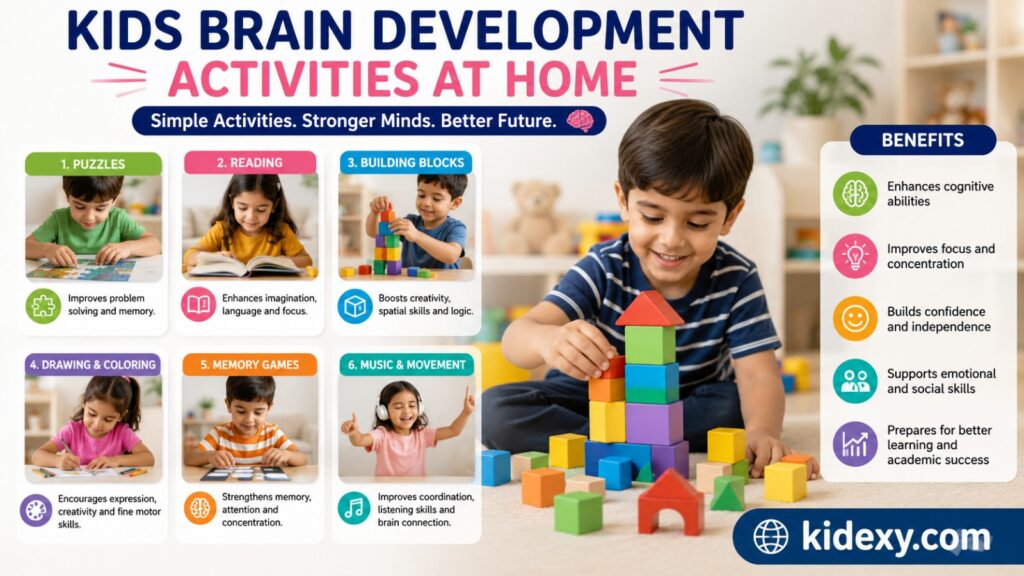
Introduction to Kids Activities and Their Importance
Children learn best when they are actively engaged, curious, and having fun. In today’s fast-paced digital world, structured and meaningful play has become more important than ever. Well-planned kids activities help children develop essential life skills while keeping them physically active, mentally sharp, and emotionally balanced.
Kids activities are not just about keeping children busy; they are about shaping their development. Whether at home, school, or outdoors, the right activities can improve creativity, problem-solving skills, communication, and confidence. Parents and teachers across the USA increasingly focus on combining learning with play to support well-rounded growth.
Why play-based learning matters in child development
Play-based learning allows children to explore the world in a natural and enjoyable way. Instead of memorizing information, they learn by doing, which improves long-term understanding. Activities like building blocks, storytelling, or simple experiments help children connect ideas in a practical way.
This approach also builds emotional intelligence. When children play together, they learn sharing, patience, and teamwork. These social skills are just as important as academic learning and help shape strong personality development.
How structured and unstructured activities shape growth
Structured activities include guided learning such as worksheets, educational games, or teacher-led tasks. These help children develop discipline and focus. On the other hand, unstructured activities like free play encourage creativity and independent thinking.
A healthy balance between both types of activities ensures complete development. Children who experience both structured learning and free exploration often perform better academically and socially.
Indoor Kids Activities for Fun and Learning at Home
Indoor activities are essential, especially during extreme weather or when children spend more time at home. These activities can be both entertaining and educational, offering children a safe environment to learn new skills.
Parents can turn everyday home spaces into creative learning zones. With simple materials, children can stay engaged for hours without relying heavily on screens.
Creative arts and craft ideas for daily engagement
Arts and crafts are among the most effective indoor kids activities. Drawing, coloring, cutting shapes, and building small art projects help children express their imagination. These activities also improve fine motor skills and hand-eye coordination.
Using recycled materials like paper rolls, cardboard, and bottle caps can make crafts more exciting. Children not only enjoy the activity but also learn the importance of recycling and creativity at the same time.
Simple DIY science experiments for curiosity building
Simple home experiments can spark curiosity in young minds. Activities like mixing baking soda and vinegar or growing plants in small pots help children understand basic science concepts.
These experiments encourage questioning and observation. Children begin to ask “why” and “how,” which strengthens their critical thinking abilities. Learning through experiments also makes science enjoyable instead of difficult.
Educational games for cognitive skill improvement
Games like puzzles, memory cards, and word-building activities help improve concentration and thinking skills. These games train the brain to recognize patterns and solve problems quickly.
Board games such as chess or matching games also improve decision-making skills. When children play these games regularly, they naturally build patience and strategic thinking abilities.
Screen-free entertainment ideas for rainy days
Rainy days often limit outdoor play, but they can still be fun with creative indoor games. Treasure hunts, storytelling sessions, and role-playing games keep children entertained without screens.
These activities also encourage family interaction. When parents participate, children feel more connected and engaged, strengthening family bonds.
Outdoor Kids Activities for Physical and Social Development
Outdoor play is essential for healthy growth. It helps children stay active, improves physical strength, and supports better mental health. Fresh air and natural surroundings also reduce stress and improve mood.
Outdoor kids activities are especially important in the USA, where parks and open spaces are widely available for safe play and exploration.
Backyard games that improve fitness and teamwork
Simple games like tag, hide and seek, and relay races help children stay physically active. These games improve stamina, coordination, and balance while keeping the experience fun.
When played in groups, these activities also promote teamwork. Children learn how to cooperate, follow rules, and respect others during play.
Park and playground activities for active play
Playgrounds offer a variety of equipment like swings, slides, and climbing structures. These activities help children develop muscle strength and motor skills.
Visiting parks regularly also exposes children to social interaction. They meet new friends, share space, and learn how to behave in group environments.
Nature exploration and learning from the environment
Exploring nature is one of the most enriching outdoor experiences. Activities like collecting leaves, observing insects, or identifying birds help children connect with the natural world.
This type of learning builds environmental awareness. Children start understanding the importance of nature conservation from an early age.
Group games that build communication skills
Group-based outdoor games encourage children to communicate clearly and cooperate effectively. Games like soccer, basketball, or team scavenger hunts require coordination and planning.
These activities help improve leadership skills as children take turns leading or supporting their team. Communication becomes more natural and confident over time.
Educational Kids Activities for Skill Building and Learning
Educational activities combine learning with fun, making knowledge easier to understand and remember. These activities are especially useful for school-age children who need extra support in academics.
They also help children discover their interests and strengths at an early stage.
Reading and storytelling-based activities
Reading is one of the most powerful learning tools. Storybooks, picture books, and reading aloud sessions improve vocabulary and comprehension.
Storytelling activities also boost imagination. When children create their own stories, they learn how to structure thoughts and express ideas clearly.
Math-based games for early problem solving skills
Math can be made fun through games like counting objects, number puzzles, or simple addition challenges. These activities help children understand numbers in a practical way.
Such games also improve logical thinking. Instead of memorizing formulas, children learn how to apply math in real-life situations.
Science-based experiments for hands-on learning
Hands-on science activities help children explore how the world works. Simple experiments like floating and sinking objects or creating mini volcanoes make learning exciting.
These activities develop observation skills and encourage children to think scientifically. They begin to understand cause and effect relationships naturally.
Language development activities for better communication
Language activities such as spelling games, vocabulary building, and conversation practice improve communication skills. These activities help children express themselves clearly.
Listening exercises and reading aloud also strengthen understanding. Over time, children become more confident speakers and better communicators.
Creative and Artistic Kids Activities for Self-Expression
Creativity is a vital part of child development. Artistic activities allow children to express emotions, thoughts, and imagination in unique ways.
These activities also reduce stress and improve focus.
Drawing, painting, and coloring projects
Art-based activities like drawing and painting help children explore colors and shapes. These activities also improve focus and patience.
Coloring books and sketching exercises allow children to express their imagination freely without restrictions.
Craft making using recycled materials
Crafting with recycled items teaches creativity and environmental responsibility. Children can build toys, decorations, or simple models from everyday waste materials.
This activity also encourages problem-solving, as children figure out how to transform simple objects into creative designs.
Music and rhythm-based learning activities
Music helps in brain development and emotional expression. Singing songs, clapping rhythms, or playing simple instruments improves memory and coordination.
These activities also make learning enjoyable and interactive. Children often remember lessons better when combined with music.
Drama and role-play for imagination development
Role-play activities allow children to act out different characters and situations. This helps improve confidence and speaking skills.
Drama-based play also teaches empathy, as children begin to understand different perspectives and emotions.
Seasonal Kids Activities for Year-Round Engagement
Seasonal activities keep children engaged throughout the year. They also help children understand seasonal changes and cultural events.
These activities can be adapted based on weather and holidays.
Summer activities for vacations and outdoor fun
Summer is ideal for outdoor games, swimming, and travel-based learning experiences. Children can enjoy sports, nature trips, and water activities.
These experiences create lasting memories and improve physical fitness.
Winter indoor games for family bonding
Winter encourages more indoor bonding activities like board games, storytelling, and cooking together. These activities strengthen family relationships.
Children also learn patience and teamwork during shared indoor experiences.
Holiday-themed crafts and celebrations
Holiday activities like making decorations, greeting cards, or themed crafts make celebrations more meaningful. Children enjoy participating in festive traditions.
These activities also improve creativity and cultural understanding.
Weekend activity planning for consistent learning
Weekends are perfect for balanced learning and fun. Parents can plan small projects, outdoor visits, or skill-based games.
Consistent weekend routines help children stay engaged and avoid boredom.
Social and Group Kids Activities for Confidence Building
Social activities help children interact with others and build confidence. These experiences are essential for emotional and social development.
Group activities also prepare children for real-life teamwork situations.
Team games that encourage cooperation
Team-based games teach children how to work together. They learn to share responsibilities and support each other.
These experiences build trust and improve communication skills.
Classroom-style group learning activities
Group learning activities encourage discussion and idea sharing. Children learn from each other and develop better understanding.
This also improves listening skills and respect for others’ opinions.
Family bonding activities for stronger relationships
Family-based activities like cooking, board games, or outdoor trips strengthen emotional bonds. Children feel more secure and supported.
These moments also improve communication within the family.
Community-based learning experiences
Community activities like volunteering or group events teach responsibility. Children learn the importance of helping others.
These experiences build character and social awareness.
Digital Kids Activities and Safe Technology Use
Technology is now a part of modern childhood. When used properly, it can support learning and creativity.
However, balance is important to ensure healthy development.
Educational apps and learning platforms
Educational apps provide interactive learning experiences. Children can learn math, reading, and science through engaging digital tools.
These platforms make learning more personalized and fun.
Balancing screen time with physical play
Excessive screen time can affect health, so balance is important. Parents should encourage outdoor and offline activities regularly.
A balanced routine ensures both physical and mental well-being.
Interactive online games for skill development
Some online games help improve problem-solving and coordination. Educational games can support learning in an engaging way.
However, supervision is important to ensure safe usage.
Safety guidelines for children using digital tools
Children should be taught basic internet safety rules. Parents should monitor content and set time limits.
Safe digital habits help children use technology responsibly.
Conclusion
Kids activities play a powerful role in shaping a child’s physical, mental, emotional, and social development. From indoor creativity to outdoor exploration, every activity contributes to building essential life skills. A balanced mix of learning and play helps children grow into confident, intelligent, and well-rounded individuals.
When parents and educators actively encourage meaningful activities, children not only enjoy their childhood but also develop strong foundations for future success.
Frequently Asked Questions
What are the best kids activities for home learning?
Indoor games, arts and crafts, puzzles, reading, and simple science experiments are great for home learning.
How many hours should children spend in play activities daily?
Children should ideally have at least one to three hours of active play depending on age and routine.
What are safe outdoor activities for young children?
Park visits, playground games, walking, cycling, and supervised group games are safe outdoor options.
How do kids activities help in brain development?
They improve memory, problem-solving, creativity, and communication skills through active engagement.
Are digital games good for kids’ learning and development?
Yes, if used in moderation and with educational purpose, digital games can support learning and skill development.