Introduction
Modern parents and teachers are constantly searching for better ways to help children learn effectively while still enjoying the process. One of the most successful approaches is using educational games that stimulate mental growth and encourage active participation. Children naturally love games, and when learning is combined with entertainment, they absorb information more quickly and develop stronger cognitive abilities over time.
Educational games for brain development are designed to improve memory, increase concentration, enhance creativity, and strengthen logical thinking skills. These games transform ordinary learning into exciting experiences that keep children motivated and curious. From puzzles and board games to digital learning apps and storytelling activities, brain development games provide meaningful opportunities for children to grow intellectually while having fun every day.
What Are Educational Games for Brain Development
Educational games for brain development are specially designed activities that support cognitive growth and mental learning abilities in children. These games are created to improve essential skills such as problem-solving, memory retention, attention span, language development, and strategic thinking. Unlike ordinary entertainment games, educational activities focus on learning outcomes while still remaining enjoyable and engaging for children of different age groups.
Children learn best when they actively participate in experiences rather than simply listening or memorizing information. Brain development games encourage interaction, curiosity, and creativity. Whether children are building blocks, solving puzzles, playing matching games, or participating in storytelling activities, their brains continuously process new information and strengthen neural connections that support long-term intellectual growth and academic success.
Why Brain Development Matters in Childhood
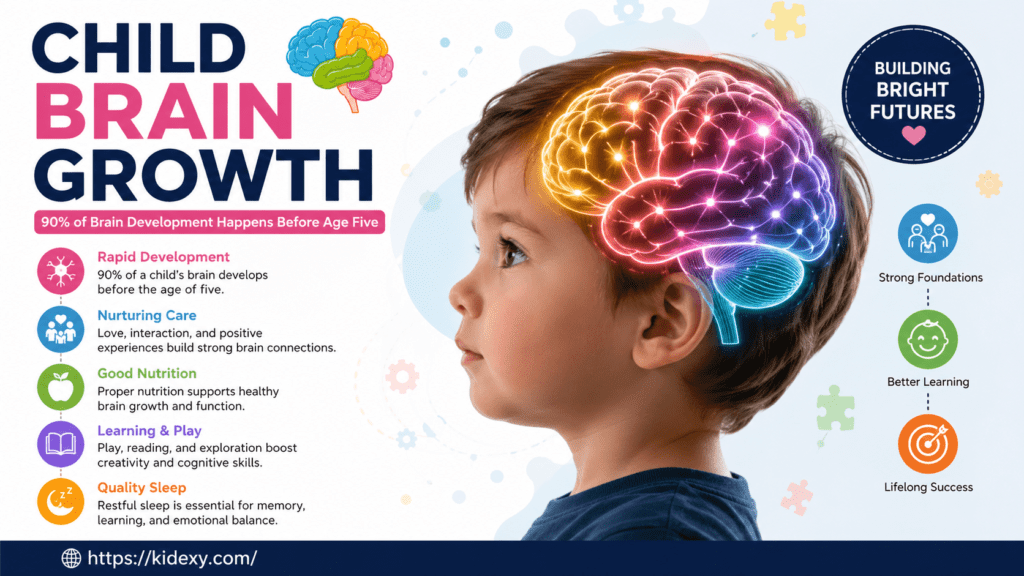
The early years of childhood are extremely important because the brain develops rapidly during this period. Every activity, conversation, and learning experience contributes to cognitive growth. Children who receive regular mental stimulation often show stronger memory skills, better concentration, improved communication abilities, and enhanced emotional intelligence. Educational games provide these stimulating experiences in a natural and enjoyable way.
Strong brain development during childhood creates a foundation for future learning and personal success. Children with well-developed cognitive skills are more likely to perform confidently in school and social environments. Educational games also encourage patience, resilience, and critical thinking, helping children become independent learners who can adapt to challenges and solve problems creatively throughout their lives.
Benefits of Educational Games for Brain Development
Educational games offer many benefits that go far beyond simple entertainment. One major advantage is improved memory retention. Matching games, puzzles, and sequence-based activities train the brain to store and recall information more efficiently. As children repeatedly engage with these activities, they strengthen neural pathways that support learning and information processing in everyday life.
Another significant benefit is improved concentration and attention span. Many educational games require children to focus carefully, follow instructions, and complete tasks step by step. These activities teach patience and discipline while reducing distractions. In addition, educational games encourage communication, teamwork, emotional regulation, and creativity, making them valuable tools for complete mental and social development.
How Educational Games Improve Memory Skills
Memory development is one of the most important areas influenced by educational games. Activities such as flashcard matching, memory challenges, and storytelling games force children to remember details, patterns, and sequences. Over time, these repeated exercises strengthen both short-term and long-term memory abilities, allowing children to absorb information more effectively in school and daily life.
Children who regularly play memory-enhancing games often develop stronger observation skills and faster recall abilities. These improvements help them perform better academically because they can remember lessons, instructions, vocabulary, and concepts more easily. Educational games also reduce learning stress by presenting memory-building exercises in fun and exciting ways that children genuinely enjoy.
Educational Games That Improve Focus and Attention
Maintaining focus has become increasingly difficult for many children because of digital distractions and fast-paced entertainment. Educational games for brain development help children practice sustained concentration by encouraging them to complete challenges that require patience and mental effort. Puzzle-solving activities, strategy games, and logic tasks train the brain to stay attentive for longer periods.
Games that involve listening, observing details, and following instructions also strengthen attention control. These activities improve a child’s ability to remain engaged in classroom learning and everyday responsibilities. Better concentration leads to stronger academic performance, increased productivity, and improved confidence because children can complete tasks more effectively without becoming easily distracted.
Puzzle Games for Cognitive Growth
Puzzle games are among the most effective tools for strengthening the brain. Jigsaw puzzles, shape sorting activities, and logic puzzles encourage children to think critically and solve problems independently. While working on puzzles, children learn how to identify patterns, analyze relationships, and make logical decisions based on observation and reasoning.
These activities also improve patience and perseverance because children must continue trying until they successfully complete the challenge. Puzzle games stimulate different parts of the brain simultaneously, encouraging better coordination between visual processing, memory, and critical thinking. This balanced mental exercise supports overall cognitive development and helps children build confidence in their problem-solving abilities.
Memory Games That Strengthen the Brain
Memory games are simple yet highly effective educational activities for improving brain function. Matching cards, sequence recall games, and hidden object challenges help children strengthen their mental recall abilities while also improving concentration and observation skills. These games encourage children to pay close attention to details and remember important visual or verbal information.
As children practice memory activities regularly, they develop stronger learning habits and faster thinking abilities. Memory games also create excitement and friendly competition, making the learning process enjoyable instead of stressful. Children who engage in these activities often demonstrate greater confidence in academic tasks because they can process and retain information more effectively.
Strategy and Board Games for Brain Development
Strategy games such as chess, checkers, and Scrabble are excellent for improving logical reasoning and decision-making skills. These games require children to think ahead, predict possible outcomes, and carefully plan their moves. This mental exercise strengthens analytical thinking and teaches children how to evaluate situations before making decisions.
Board games also encourage social interaction and communication. Children learn valuable life skills such as patience, teamwork, cooperation, and emotional control while playing with others. Unlike passive screen entertainment, strategy games actively engage the brain and create opportunities for meaningful learning experiences that support intellectual and emotional growth simultaneously.
STEM and Math Games for Intellectual Growth
STEM-based educational games focus on science, technology, engineering, and mathematics concepts in fun and interactive ways. These activities help children develop analytical thinking, numerical understanding, and creativity. Building blocks, coding games, engineering challenges, and math puzzles teach problem-solving skills while encouraging curiosity and innovation.
Children who engage in STEM learning games often become more confident when facing academic challenges related to mathematics and science. These activities make complex subjects easier to understand because children learn through experimentation and exploration. Educational games for brain development in STEM areas also prepare children for future careers that require critical thinking and technical skills.
Language and Reading Games for Better Communication
Language-based educational games help children improve vocabulary, reading comprehension, and communication skills. Activities such as word searches, spelling games, storytelling exercises, and phonics challenges strengthen language development while making reading enjoyable and interactive. These games encourage children to express ideas clearly and build confidence in verbal communication.
Strong language skills are essential for academic achievement and social interaction. Children who regularly participate in reading games often develop better comprehension abilities and stronger creative thinking. Storytelling activities also improve imagination and emotional understanding by encouraging children to create characters, situations, and solutions through creative expression.
Physical Activities That Support Brain Development
Physical movement plays an important role in cognitive growth because exercise increases blood flow to the brain and improves mental alertness. Activities such as obstacle courses, coordination exercises, dance games, and brain gym movements help children strengthen both physical and mental abilities at the same time.
Movement-based educational games are especially useful for energetic children who learn best through physical activity. These exercises improve coordination, balance, concentration, and reaction speed while also reducing stress and anxiety. Combining movement with learning creates a more engaging educational experience that supports healthy brain function and overall child development.
Educational Games for Toddlers
Toddlers learn through sensory exploration and interactive play experiences. Simple educational games such as stacking blocks, shape sorting, color recognition activities, and musical games help young children develop fine motor skills and basic cognitive abilities. These early learning experiences stimulate curiosity and encourage active brain development during a critical stage of growth.
At this age, children benefit most from activities that involve touch, sound, movement, and visual engagement. Educational games for brain development provide safe and enjoyable opportunities for toddlers to explore their environment while learning essential skills. Positive early experiences also create strong emotional connections with learning that can continue throughout childhood.
Educational Games for Preschool Children
Preschool children are naturally curious and eager to explore new ideas. Educational games during this stage should focus on language development, counting skills, creativity, and social interaction. Alphabet games, storytelling activities, memory cards, and simple puzzles help preschoolers strengthen foundational learning abilities in fun and exciting ways.
Interactive learning games also improve confidence and communication skills because children learn to participate, share, and express themselves openly. Preschool educational games encourage independent thinking while preparing children for future classroom learning experiences. These activities create positive learning habits that support long-term academic and cognitive development.
Educational Games for School-Age Kids
School-age children benefit from more advanced educational games that challenge their reasoning and analytical thinking abilities. Strategy games, science experiments, coding activities, and complex puzzles encourage deeper problem-solving skills while improving concentration and academic performance. Children in this age group enjoy games that combine competition, creativity, and achievement.
Educational games also help reduce academic stress by making learning more enjoyable and interactive. Instead of viewing education as boring or difficult, children begin to associate learning with fun experiences and personal growth. This positive mindset increases motivation and encourages lifelong curiosity and intellectual exploration.
Educational Games for Teenagers
Teenagers require educational games that stimulate critical thinking, creativity, and independent problem-solving abilities. Brain-training apps, strategic board games, debate activities, and advanced puzzles help teenagers strengthen cognitive flexibility and decision-making skills. These activities encourage logical analysis while also supporting emotional maturity and communication development.
At this stage, educational games can also help teenagers manage stress and improve focus during academic challenges. Interactive learning experiences keep teenagers mentally engaged while providing healthy alternatives to passive entertainment. Brain development activities for teenagers support personal growth, academic success, and future career preparation in meaningful and practical ways.
Digital Educational Games and Learning Apps
Digital educational games have become increasingly popular because they provide interactive and personalized learning experiences. Many learning apps use engaging graphics, rewards, and adaptive challenges to keep children motivated while improving cognitive skills. These games often target specific areas such as memory, mathematics, language development, or problem-solving abilities.
When used responsibly, digital educational games can be powerful tools for brain development. However, parents should carefully monitor screen time and choose high-quality educational platforms that focus on meaningful learning outcomes. Combining digital learning with offline activities creates a balanced educational environment that supports healthy mental growth and creativity.
Traditional Educational Games Still Matter
Traditional educational games continue to provide valuable learning experiences despite the growth of digital technology. Board games, card games, building blocks, and outdoor activities encourage face-to-face interaction and hands-on learning. These experiences help children develop social skills, teamwork abilities, and emotional intelligence alongside cognitive growth.
Offline educational games also reduce excessive screen exposure and encourage physical movement and creativity. Many traditional activities allow children to use imagination and explore ideas freely without relying on technology. Parents and teachers should continue including traditional games in daily routines because they offer timeless benefits for healthy brain development.
Choosing the Right Educational Games
Selecting the right educational games depends on a child’s age, interests, and developmental needs. Games should challenge children without causing frustration or boredom. Parents and educators should focus on activities that encourage learning, creativity, and active participation instead of passive entertainment or repetitive screen engagement.
Safe and age-appropriate content is also extremely important. Educational games should support positive learning experiences and healthy emotional development. By observing how children respond to different activities, parents can identify which games best support memory, focus, creativity, or problem-solving skills while keeping children motivated and engaged.
Common Mistakes Parents Should Avoid
One common mistake is allowing children to spend excessive time on digital games without balancing offline learning experiences. Although educational apps can be beneficial, too much screen time may reduce physical activity and social interaction. Parents should create healthy schedules that include outdoor play, reading, creative activities, and family interaction alongside digital learning.
Another mistake is choosing games based only on popularity instead of educational value. Some games may appear educational but offer limited cognitive benefits. Parents should prioritize activities that encourage active thinking, creativity, and meaningful learning experiences. Supporting children during gameplay and participating together also increases the educational value of brain development activities.
Making Educational Games More Effective
Educational games become more effective when children participate regularly in structured learning routines. Short daily sessions often produce better results than occasional long periods of gameplay. Consistency helps strengthen neural connections and improves skill development over time while keeping children motivated and mentally engaged.
Parents and teachers can also improve learning outcomes by discussing game strategies, asking questions, and encouraging children to explain their thinking processes. Positive reinforcement and encouragement help children develop confidence and persistence. Educational games should feel enjoyable and rewarding so children remain interested in learning and intellectual growth.
Role of Schools in Brain Development
Schools play a major role in supporting cognitive development through interactive learning experiences. Teachers who include educational games in classrooms often create more engaging environments where students actively participate in lessons. Group activities, educational challenges, and collaborative projects improve communication skills while encouraging teamwork and critical thinking.
Modern classrooms increasingly use educational technology and gamified learning methods to improve student motivation. When used effectively, these approaches make learning more enjoyable and accessible for children with different learning styles. Schools that combine traditional teaching methods with educational games create balanced environments that support both academic achievement and personal development.
Future of Educational Games for Brain Development
The future of educational games continues to evolve with advancements in technology and artificial intelligence. Personalized learning platforms can now adapt to a child’s strengths, weaknesses, and learning speed. These innovations create customized educational experiences that improve engagement and maximize cognitive development opportunities.
Virtual reality and interactive educational environments are also transforming how children learn and explore new concepts. Future educational games may become even more immersive, creative, and effective at supporting intellectual growth. Despite these technological advancements, the main goal will remain the same: helping children learn, think, and grow through enjoyable and meaningful experiences.
Conclusion
Educational games for brain development are powerful tools that help children strengthen memory, improve focus, and enhance problem-solving abilities in enjoyable and interactive ways. These activities support intellectual, emotional, and social growth while creating positive attitudes toward learning. From puzzles and strategy games to storytelling and STEM activities, educational games encourage children to explore their abilities with confidence and curiosity.
Parents, teachers, and caregivers should continue using educational games as part of balanced learning routines that combine creativity, movement, and meaningful interaction. By choosing age-appropriate and engaging activities, adults can help children develop the cognitive skills necessary for lifelong success. Educational games not only make learning enjoyable but also prepare children for future academic challenges and personal growth opportunities.
FAQs
What are educational games for brain development?
Educational games for brain development are activities designed to improve cognitive skills such as memory, concentration, creativity, language development, and problem-solving abilities while keeping children entertained and engaged in learning.
How do educational games improve memory?
Educational games strengthen memory by encouraging children to remember patterns, sequences, images, and instructions repeatedly. Activities like matching games and puzzles help improve information retention and recall abilities.
Are educational games effective for all age groups?
Yes, educational games can benefit toddlers, preschoolers, school-age children, and teenagers. Different games are designed to match the developmental needs and learning abilities of each age group.
Which games are best for improving focus?
Puzzle games, memory challenges, strategy board games, and concentration exercises are excellent for improving focus because they require attention, patience, and mental engagement.
Can educational games increase IQ?
Educational games can improve critical thinking, problem-solving abilities, and cognitive flexibility, which may contribute to stronger intellectual performance and learning capacity over time.
How much screen time is healthy for educational games?
Children should have balanced screen time that includes educational activities along with physical movement, reading, social interaction, and outdoor play. Parents should monitor usage based on age and developmental needs.
Are traditional games better than digital games?
Both traditional and digital educational games offer unique benefits. Traditional games encourage social interaction and creativity, while digital games provide personalized and interactive learning experiences.
What are the best educational games for toddlers?
Simple activities such as stacking blocks, color matching, shape sorting, musical games, and sensory play are highly effective for supporting toddler brain development.
Why are puzzles important for brain development?
Puzzles improve logical reasoning, visual processing, patience, and problem-solving skills. They encourage children to analyze situations carefully and think critically to find solutions.
How can parents encourage children to play educational games?
Parents can encourage educational gameplay by choosing fun age-appropriate activities, participating together, praising effort and progress, and creating positive learning environments that make games enjoyable and rewarding.