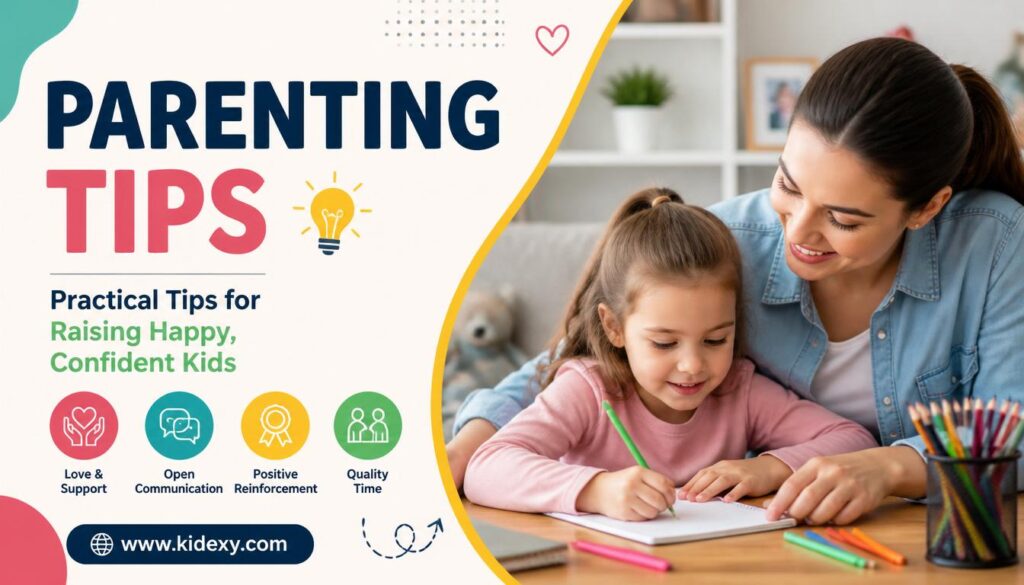
Every parent wants their child to grow into a happy, confident, and responsible adult. However, raising children in today’s fast-paced world comes with unique challenges. From managing behavior and emotions to balancing school, technology, and social influences, parents often search for effective ways to guide their children while maintaining a strong family bond.
This is where positive parenting offers a practical and encouraging approach. Rather than relying on fear, punishment, or constant criticism, it focuses on building trust, teaching responsibility, and creating a supportive environment. Children who feel respected and understood are more likely to develop healthy self-esteem, strong communication skills, and emotional resilience.
A nurturing parenting style benefits both children and parents. It helps create a home where cooperation replaces conflict and learning replaces punishment. By understanding the principles behind this approach, families can build stronger relationships and encourage long-term personal growth.
Understanding the Foundations of Effective Parenting
What This Approach Means
At its core, positive parenting is based on respect, empathy, and guidance. It encourages parents to see behavior as a form of communication rather than simply something that needs to be controlled. Instead of reacting with anger, parents focus on teaching valuable lessons and helping children make better choices.
Children naturally make mistakes as they learn and grow. A supportive parenting approach recognizes these moments as opportunities for learning rather than reasons for punishment. This helps children develop problem-solving skills and confidence in their abilities.
Why Family Relationships Matter
Strong family relationships create a sense of security that supports healthy development. When children know they can trust their parents, they are more willing to share their thoughts, concerns, and experiences.
Open communication also reduces misunderstandings and helps parents understand what their children need emotionally. A child who feels heard is often more cooperative and confident in everyday situations.
Essential Principles That Support Child Development
Respect and Mutual Understanding
Respect is one of the most important elements of a healthy parent-child relationship. Children learn how to treat others by observing the adults around them. When parents model respectful behavior, children are more likely to do the same.
Mutual understanding does not mean agreeing with every request a child makes. Instead, it involves acknowledging feelings while maintaining appropriate boundaries. This balance helps children feel valued without losing structure or guidance.
Consistent Expectations and Boundaries
Children thrive when they understand what is expected of them. Clear boundaries provide stability and help them make better decisions. Consistency is especially important because it prevents confusion and creates a predictable environment.
Rules should be reasonable, age-appropriate, and explained clearly. When expectations are consistent, children learn responsibility and are more likely to cooperate willingly.
Emotional Support and Empathy
Children experience many emotions throughout their development. Happiness, frustration, excitement, disappointment, and fear are all normal parts of growing up. Parents who respond with empathy help children understand and manage these emotions effectively.
Emotional support strengthens trust and encourages healthy expression of feelings. Rather than suppressing emotions, children learn how to handle them in constructive ways.
Benefits for Growing Children
Building Confidence and Self-Esteem
Confident children are more likely to take on challenges, learn from mistakes, and develop independence. Encouragement plays a key role in building this confidence. When effort is recognized, children learn that growth comes through practice and persistence.
Self-esteem grows when children feel valued for who they are rather than only for what they achieve. This creates a healthier sense of self-worth that lasts into adulthood.
Improving Emotional Intelligence
Emotional intelligence helps children understand both their own feelings and the emotions of others. It supports better communication, stronger friendships, and healthier conflict resolution skills.
Parents can encourage emotional intelligence by discussing feelings openly and helping children identify appropriate ways to respond to difficult situations. Over time, these skills contribute to stronger relationships and improved well-being.
Encouraging Responsible Behavior
Teaching responsibility is an important part of raising capable children. Instead of using fear-based discipline, positive parenting encourages children to understand the consequences of their choices.
This approach helps children develop internal motivation. They begin making good decisions because they understand their value rather than because they fear punishment.
Practical Strategies for Everyday Success
Listening With Full Attention
One of the most powerful parenting tools is active listening. Giving children your full attention shows that their thoughts and feelings matter. This simple habit strengthens trust and improves communication.
Children who feel heard are often more willing to listen in return. Meaningful conversations create opportunities to teach, guide, and connect on a deeper level.
Using Encouragement Instead of Criticism
Frequent criticism can discourage children and lower confidence. Encouragement focuses on effort, improvement, and positive actions. This helps children develop a growth mindset and remain motivated during challenges.
Specific praise is especially effective because it highlights what a child did well and reinforces desirable behavior.
Creating Healthy Daily Routines
Routines provide structure and predictability. Regular schedules for meals, homework, sleep, and family activities help children feel secure and organized.
Healthy routines also reduce stress for parents by creating clear expectations and minimizing unnecessary conflicts.
Supporting Children Through Different Stages of Growth
Early Childhood Years
Young children are naturally curious and eager to explore the world around them. During this stage, patience and gentle guidance are essential. Children learn through observation, repetition, and hands-on experiences, making everyday interactions valuable learning opportunities.
Parents can encourage healthy development by offering choices, maintaining routines, and responding calmly to emotional outbursts. When children feel safe and supported, they become more willing to explore, learn, and develop confidence in their abilities.
School-Age Development
As children enter school, they begin facing new social, academic, and personal challenges. Friendships become more important, responsibilities increase, and children start forming a stronger sense of identity.
Parents play an important role by showing interest in school activities, encouraging problem-solving, and celebrating effort rather than perfection. A supportive home environment helps children develop resilience and confidence when facing setbacks.
Navigating the Teenage Years
Teenagers often seek greater independence while still needing guidance and support. This stage can be challenging for both parents and children, but strong communication helps maintain healthy relationships.
Listening without judgment and respecting a teenager’s growing independence encourages trust. Parents who remain approachable create an environment where teenagers feel comfortable discussing concerns and seeking advice when needed.
Managing Common Parenting Challenges
Responding to Tantrums and Emotional Outbursts
Tantrums are a normal part of childhood development. They often occur when children feel overwhelmed, frustrated, or unable to express their emotions effectively. Remaining calm during these moments helps prevent situations from escalating.
Instead of focusing solely on stopping the behavior, parents can help children identify their feelings and learn healthier ways to express them. Over time, children develop stronger emotional regulation skills and become better equipped to handle frustration.
Encouraging Cooperation Without Power Struggles
Power struggles can create tension within families and make everyday situations more stressful. Children are more likely to cooperate when they feel respected and involved in decision-making whenever appropriate.
Offering limited choices, explaining expectations clearly, and maintaining a calm tone can encourage cooperation. This approach helps children feel empowered while still understanding family rules and responsibilities.
Addressing Sibling Conflicts
Disagreements between siblings are common and can provide valuable opportunities for learning conflict-resolution skills. Rather than immediately taking sides, parents can guide children toward finding fair solutions together.
Teaching children how to listen, compromise, and express feelings respectfully helps strengthen relationships and reduces future conflicts. These skills are useful not only within the family but throughout life.
Strengthening Communication Within the Family
Creating Meaningful Conversations
Strong communication is one of the most valuable gifts parents can give their children. Regular conversations help build trust and create opportunities to understand a child’s experiences, interests, and concerns.
Simple daily discussions during meals, car rides, or family activities can strengthen relationships significantly. Consistent communication also makes it easier for children to approach parents when facing challenges.
Helping Children Express Their Feelings
Many children struggle to describe complex emotions. Parents can support emotional growth by encouraging open discussions about feelings and providing language that helps children identify their experiences.
When children learn that all emotions are acceptable, they become more comfortable expressing themselves honestly. This emotional awareness contributes to healthier relationships and improved mental well-being.
Mistakes Parents Should Avoid
Being Overly Critical
Children need guidance, but constant criticism can damage confidence and discourage effort. Constructive feedback focuses on behavior rather than personal qualities and encourages improvement rather than shame.
Parents who balance correction with encouragement help children develop a positive self-image while continuing to learn and grow.
Expecting Perfection
Every child learns and develops at a unique pace. Unrealistic expectations can create unnecessary pressure and frustration for both parents and children.
Accepting mistakes as part of the learning process promotes resilience and encourages children to continue trying even when tasks are difficult. Growth is often more important than immediate success.
Inconsistency With Rules
Frequent changes in expectations can confuse children and make it difficult for them to understand boundaries. Consistency helps create stability and teaches accountability.
When family rules are applied fairly and predictably, children gain a clearer understanding of expectations and are more likely to follow them.
Everyday Habits That Build Strong Families
Spending Quality Time Together
Meaningful family time strengthens relationships and creates lasting memories. These moments do not need to be elaborate. Reading together, sharing meals, playing games, or taking walks can have a significant impact.
Children who receive consistent attention often feel more secure and connected to their families. This connection supports emotional health and overall development.
Modeling the Behavior You Want to See
Children learn by observing the adults around them. Parents who demonstrate kindness, patience, honesty, and respect provide powerful examples that children naturally imitate.
Modeling positive behavior is often more effective than lengthy lectures. Consistent actions teach valuable lessons that children remember and apply in their own lives.
Encouraging Independence
Allowing children to take on age-appropriate responsibilities helps them develop confidence and problem-solving skills. Small tasks such as organizing belongings, helping with household chores, or making simple decisions encourage independence.
As children successfully handle responsibilities, they gain a sense of accomplishment and become more capable of managing future challenges.
The Lasting Impact on Future Success
The lessons children learn at home influence many areas of life, including relationships, education, career development, and personal well-being. A supportive family environment helps children develop emotional resilience and confidence that extends into adulthood.
Research consistently shows that children who experience strong family connections tend to have better communication skills, healthier relationships, and greater emotional stability. These qualities contribute to long-term success and happiness.
Positive parenting is not about achieving perfection. It is about creating an environment where children feel respected, supported, and encouraged to become the best version of themselves. Small, consistent efforts can produce meaningful results that last a lifetime.
Conclusion
Raising happy and confident children requires patience, understanding, and consistent guidance. By focusing on respect, communication, empathy, and encouragement, parents can create a nurturing environment that supports healthy growth and development.
Positive parenting helps families build stronger relationships while teaching children important life skills such as responsibility, emotional awareness, and resilience. Although every family faces challenges, a supportive approach can make those challenges easier to navigate.
When parents invest in strong connections and thoughtful guidance, they help children develop the confidence and character needed to thrive in an ever-changing world.
Frequently Asked Questions
What is the main goal of positive parenting?
The primary goal is to build a strong parent-child relationship while teaching responsibility, confidence, and emotional well-being through guidance rather than fear.
How often should parents use encouragement?
Encouragement should be part of everyday interactions. Recognizing effort and progress helps children stay motivated and develop healthy self-esteem.
Does this parenting style work for strong-willed children?
Yes. Children with strong personalities often respond well to respectful communication, clear boundaries, and consistent expectations.
Can parents start using these methods at any age?
Absolutely. While it is beneficial to start early, these techniques can be applied successfully with toddlers, school-age children, and teenagers.
How long does it take to see positive changes?
Results vary for each family, but consistent effort often leads to noticeable improvements in communication, cooperation, and family relationships over time.