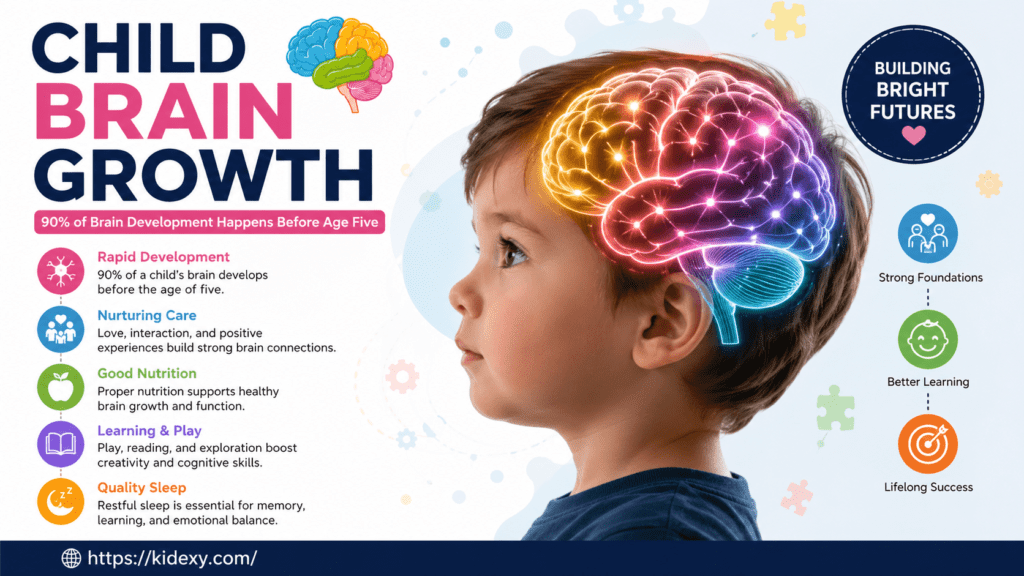
Introduction to Foods for Kids Brain Development and Memory
The early years of a child’s life are extremely important for building intelligence, memory strength, and learning capacity. During this stage, proper nutrition plays a powerful role in shaping how the brain grows and functions. The right diet can significantly improve focus, problem-solving skills, and emotional stability in children as they grow and learn daily.
The topic of foods for kids brain development and memory has gained strong attention among parents, teachers, and health experts because modern research clearly shows the connection between diet and cognitive performance. When children eat nutrient-rich meals regularly, their brain cells develop faster, communication between neurons improves, and their ability to remember and understand information becomes stronger and more stable.
How a Child’s Brain Develops and Learns
A child’s brain develops at an incredible speed during the early years of life. Billions of neural connections form rapidly, shaping how children think, learn, and react to the world around them. This development is strongly influenced by nutrition, environment, and daily experiences. A healthy diet ensures that brain pathways are strong and efficient for learning.
When discussing foods for kids brain development and memory, it is important to understand that the brain requires constant energy and nutrients to function properly. If children lack essential vitamins and minerals, their focus, attention span, and memory retention may weaken. Balanced nutrition supports both short-term learning ability and long-term cognitive growth.
Essential Nutrients for Brain Growth and Memory
The human brain depends on several key nutrients to function at its best. Omega-3 fatty acids help build brain cell membranes and improve communication between neurons. Choline supports memory formation and cognitive processing, while iron ensures proper oxygen flow to brain tissues, improving alertness and mental performance throughout the day.
In addition to these, antioxidants protect brain cells from damage caused by stress and environmental toxins. Zinc and iodine also play an important role in mental development and hormonal balance. When children consistently consume foods for kids brain development and memory, their overall mental sharpness and learning capacity improve significantly over time.
Eggs for Brain Development and Memory Power
Eggs are one of the most powerful natural sources of brain-boosting nutrients for children. They contain high levels of choline, which is essential for memory development and brain communication. Choline helps in forming neurotransmitters that allow brain cells to send signals effectively, improving focus and learning ability in growing children.
When included regularly in foods for kids brain development and memory, eggs support strong cognitive growth and mental alertness. They also provide high-quality protein, which helps in repairing brain cells and maintaining overall brain structure. A simple boiled egg or scrambled egg in breakfast can significantly enhance a child’s daily mental performance and concentration levels.
Fatty Fish and Omega Rich Nutrition for Intelligence
Salmon and other fatty fish are among the best natural sources of omega-3 fatty acids, especially DHA, which is essential for brain development. DHA helps build brain cell membranes and supports better communication between neurons. This leads to improved memory, sharper thinking, and better learning abilities in children.
Including fatty fish in foods for kids brain development and memory can significantly enhance cognitive performance. Regular consumption helps improve attention span and reduces the risk of learning difficulties. Fish-based meals, when prepared in a child-friendly way, can provide long-term brain protection and support healthy intellectual growth throughout childhood and adolescence.
Berries for Memory Strength and Brain Protection
Blueberries, strawberries, and other berries are rich in antioxidants and flavonoids that help protect brain cells from damage. These compounds improve blood flow to the brain, which enhances memory, learning speed, and cognitive processing. Berries are also known for reducing inflammation in brain tissues, supporting long-term mental health.
When added to foods for kids brain development and memory, berries act as natural brain protectors. They support better recall ability and improve focus during study sessions. A small bowl of fresh berries or a smoothie can provide children with essential nutrients that boost brain performance while also satisfying their taste preferences in a healthy way.
Nuts and Seeds for Cognitive Strength
Walnuts, almonds, and pumpkin seeds are packed with healthy fats, vitamin E, and zinc, all of which are essential for brain health. These nutrients protect brain cells from oxidative stress and help maintain strong cognitive function. Nuts and seeds also support long-term memory development and improve concentration in children.
Including nuts and seeds in foods for kids brain development and memory can help improve overall brain efficiency. They are ideal as snacks or mixed into meals like yogurt or oatmeal. However, they should be given carefully to younger children, preferably in crushed or butter form to avoid choking risks while still delivering full nutritional benefits.
Leafy Greens for Mental Clarity and Focus
Spinach and broccoli are powerful leafy green vegetables rich in iron, folate, and essential vitamins. Iron improves oxygen flow to the brain, which helps children stay alert and focused during studies. Folate supports the production of new brain cells, ensuring continuous mental development and improved learning ability.
When included in foods for kids brain development and memory, leafy greens support strong cognitive health and better academic performance. Although some children may not prefer vegetables, they can be blended into soups, smoothies, or mixed dishes to make them more appealing while still providing essential nutrients for brain growth.
Yogurt and Dairy for Brain Function and Growth
Yogurt and other dairy products are excellent sources of protein, calcium, iodine, and probiotics. Iodine is especially important for brain development as it supports neurological function and cognitive processing. Protein helps in building brain tissues, while probiotics support gut health, which is closely linked to mental well-being.
When included in foods for kids brain development and memory, yogurt improves both physical and mental growth. It is a versatile food that can be combined with fruits, nuts, or honey to make it more appealing. Regular intake supports better focus, emotional balance, and improved learning performance in children.
Whole Grains for Energy and Concentration
Oats and other whole grains provide a steady supply of glucose, which is the primary energy source for the brain. Unlike sugary foods that cause energy spikes, whole grains release energy slowly, helping children maintain focus and concentration throughout school hours and study sessions.
Including whole grains in foods for kids brain development and memory helps stabilize energy levels and improve mental endurance. Breakfast options like oatmeal or whole-grain bread can significantly enhance a child’s ability to learn and retain information. This makes whole grains a vital part of a balanced brain-boosting diet.
Healthy Meal Planning for Better Brain Performance
Creating a structured meal plan is essential for maximizing the benefits of brain-boosting nutrition. A well-balanced diet ensures that children receive all necessary nutrients throughout the day. Breakfast should include protein and whole grains, lunch should contain vegetables and healthy fats, and dinner should be light yet nutritious for brain recovery.
Designing foods for kids brain development and memory into daily meals ensures consistent nutrient intake. Parents can prepare colorful plates that include fruits, vegetables, proteins, and healthy fats. Creative meal presentation also encourages children to enjoy healthy eating habits, making nutrition a fun and engaging part of their daily routine.
Foods to Avoid for Better Brain Health
Highly processed foods, excessive sugar, and artificial additives can negatively impact a child’s brain development. These foods may cause energy crashes, reduced focus, and poor memory retention. Regular consumption of junk food can also affect long-term cognitive health and academic performance in growing children.
To fully benefit from foods for kids brain development and memory, it is important to reduce unhealthy food intake. Soft drinks, packaged snacks, and fried foods should be limited as much as possible. Encouraging natural, home-cooked meals helps protect brain health and supports stronger mental development in the long run.
Tips for Parents to Support Brain Development Naturally
Parents play a major role in shaping their child’s eating habits and brain health. Encouraging children to eat balanced meals, stay hydrated, and follow regular sleep schedules can significantly improve cognitive performance. Making healthy food visually appealing can also increase a child’s interest in nutritious eating.
When focusing on foods for kids brain development and memory, consistency is key. Parents should gradually introduce brain-boosting foods and involve children in meal preparation. This not only builds healthy habits but also strengthens their understanding of nutrition and its importance in daily life and academic success.
Conclusion
In conclusion, proper nutrition is one of the most powerful tools for supporting a child’s brain development and memory strength. A balanced diet rich in essential nutrients helps improve focus, learning ability, and emotional stability. Healthy eating habits formed in childhood create a strong foundation for lifelong mental growth and academic success.
The consistent use of foods for kids brain development and memory ensures that children receive the necessary nutrients for optimal brain function. Parents who prioritize healthy meals help their children build stronger memory skills, better concentration, and improved problem-solving abilities, leading to a brighter and more successful future.
FAQs
What are the best foods for kids brain development and memory?
The best foods include eggs, fatty fish, berries, nuts, leafy greens, yogurt, and whole grains. These foods provide essential nutrients like omega-3 fatty acids, choline, antioxidants, and vitamins that support brain growth and memory function.
How do brain-boosting foods help children learn better?
Brain-boosting foods improve communication between brain cells, enhance focus, and increase memory retention. This allows children to understand lessons more effectively and perform better in academic activities.
Can diet really improve a child’s memory and focus?
Yes, a nutrient-rich diet directly affects brain performance. Proper nutrition supports neural development, which leads to improved attention span, better memory, and stronger learning abilities.
How often should children eat brain-healthy foods?
Children should consume brain-healthy foods daily as part of a balanced diet. Consistency is important for maintaining steady brain development and long-term cognitive benefits.
What foods should be avoided for better brain health?
Processed foods, sugary snacks, fried foods, and soft drinks should be avoided or limited as they can negatively affect focus, memory, and overall brain performance.
Are supplements necessary for brain development in kids?
In most cases, a balanced diet is enough. Supplements are only needed if recommended by a healthcare professional due to specific nutritional deficiencies.
How can picky eaters be encouraged to eat brain foods?
Parents can make meals colorful, tasty, and fun. Mixing fruits, blending vegetables into smoothies, and involving children in cooking can help improve their interest in healthy foods.
Do brain foods also affect emotional behavior in children?
Yes, proper nutrition supports emotional balance by stabilizing brain chemicals. This can lead to better mood control, reduced stress, and improved behavior in children.