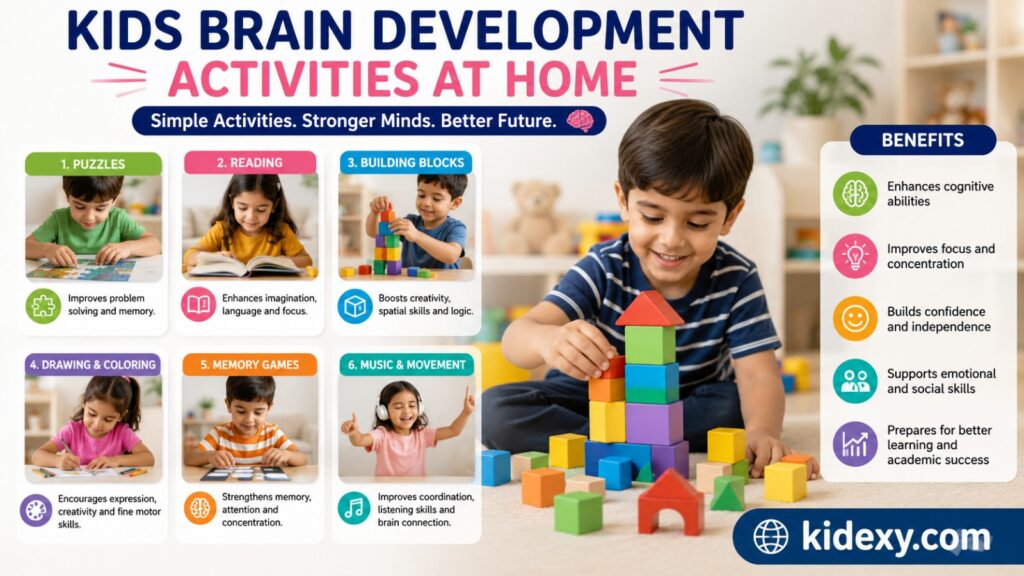
Children learn best when they are engaged, curious, and having fun. Traditional learning methods remain important, but modern technology has introduced exciting new ways to support education. One of the most effective approaches is using kids learning games that combine entertainment with valuable educational content.
Today, parents and teachers have access to countless educational websites and apps designed to help children develop essential skills. From reading and mathematics to science and creativity, these interactive tools transform learning into an enjoyable experience. The right learning games can encourage children to explore new concepts, solve problems, and build confidence while having fun.
Understanding Kids Learning Games
What Are Kids Learning Games?
Kids learning games are interactive activities designed to teach specific skills or concepts through gameplay. Unlike purely recreational games, educational games focus on helping children develop academic, cognitive, and social abilities while keeping them engaged.
These games often include challenges, rewards, quizzes, puzzles, and creative tasks that make learning feel less like work and more like play. Whether a child is practicing spelling words, solving math problems, or exploring scientific concepts, educational games provide a hands-on approach that encourages active participation.
Why Learning Through Games Works
Children naturally enjoy playing games. Educational games take advantage of this natural interest by presenting lessons in an engaging format. When children are motivated to play, they are more likely to remain focused and retain information.
Game-based learning also provides immediate feedback. Children can quickly see the results of their actions, allowing them to learn from mistakes and improve their performance. This interactive process supports deeper understanding and long-term knowledge retention.
Benefits of Kids Learning Games
Improving Academic Skills
One of the biggest advantages of educational games is their ability to strengthen academic performance. Many learning games focus on subjects such as reading, writing, mathematics, science, and language arts.
By practicing skills in an interactive environment, children can reinforce classroom learning. Educational games often adapt to a child’s skill level, providing challenges that encourage growth without causing frustration. This personalized learning experience helps children progress at their own pace.
Enhancing Cognitive Development
Learning games are excellent tools for improving cognitive abilities. Many games require children to solve problems, recognize patterns, make decisions, and think critically.
As children engage with these challenges, they develop stronger memory, attention, and reasoning skills. Regular exposure to educational activities can help improve concentration and support overall intellectual development.
Supporting Social and Emotional Growth
Educational games can also contribute to social and emotional learning. Multiplayer activities encourage teamwork, communication, and cooperation among children.
Successfully completing challenges helps build self-confidence and resilience. Children learn that mistakes are part of the learning process and develop a positive attitude toward overcoming obstacles.
Types of Kids Learning Games
Reading and Literacy Games
Reading-based games help children improve vocabulary, phonics, spelling, and reading comprehension. Interactive stories and word puzzles make language learning enjoyable and accessible.
These games often use colorful graphics, engaging characters, and rewarding activities to encourage consistent reading practice. As children progress, they develop stronger literacy skills that support academic success.
Math Learning Games
Math games make numbers and calculations less intimidating. Through puzzles, quizzes, and interactive exercises, children can practice arithmetic, geometry, and problem-solving skills.
Many math games present challenges in a playful format that encourages experimentation and learning. This helps children build confidence and develop a positive relationship with mathematics.
Science and Discovery Games
Science learning games introduce children to fascinating topics such as nature, space, technology, and the environment. Interactive simulations allow children to explore concepts that might be difficult to experience in traditional classrooms.
These activities encourage curiosity and inspire children to ask questions about the world around them. By making science fun and accessible, educational games help nurture future innovators and thinkers.
Creativity and Art Games
Creative games encourage self-expression and imagination. Activities involving drawing, painting, music creation, and storytelling allow children to explore their artistic talents.
These games also help develop fine motor skills, problem-solving abilities, and creative thinking. Children learn to experiment with ideas and express themselves in unique ways.
Language Learning Games
Language-focused games provide opportunities to learn new words, improve pronunciation, and develop communication skills. Some platforms even introduce children to foreign languages through interactive lessons.
By combining visual elements, audio support, and engaging activities, language learning games create an immersive educational experience that keeps children motivated.
Features to Look for in Educational Games
Age-Appropriate Content
Choosing games that match a child’s developmental stage is essential. Age-appropriate content ensures that learning activities are challenging enough to promote growth without causing frustration.
Educational games designed for specific age groups often align with developmental milestones and learning objectives. This makes it easier for children to understand concepts and remain engaged.
Interactive and Engaging Design
The best educational games use engaging visuals, animations, and interactive features to maintain interest. Children are more likely to participate actively when the experience feels exciting and rewarding.
Reward systems, achievements, and progress tracking can further motivate children to continue learning. These elements encourage persistence and create a sense of accomplishment.
Safety and Privacy Considerations
Parents should always consider safety when selecting educational websites and apps. Child-friendly platforms typically provide secure environments with limited advertisements and appropriate content.
Privacy protection is equally important. Trusted educational resources prioritize data security and comply with regulations designed to protect children’s online information.
Best Free Educational Websites for Kids
Reading and Literacy Platforms
Many educational websites offer free resources that help children develop reading skills. These platforms often include interactive stories, phonics activities, and comprehension exercises.
Regular use of literacy-focused websites can strengthen reading abilities while making the learning process enjoyable. Children benefit from engaging content that encourages independent exploration.
Math and Problem-Solving Websites
Math-focused educational websites provide games and activities that support skill development across various grade levels. Interactive lessons help children practice calculations and reasoning skills in a fun environment.
These resources often include adaptive learning features that adjust difficulty levels based on performance, ensuring continued growth and improvement.
Science and Exploration Resources
Science websites introduce children to exciting topics through interactive experiments, videos, and educational games. These resources encourage curiosity and promote deeper understanding of scientific concepts.
Exploration-based learning helps children connect classroom lessons with real-world experiences, making education more meaningful and memorable.
Best Educational Apps for Children
Apps for Preschoolers
Preschool learning apps focus on foundational skills such as letter recognition, counting, shapes, and colors. These applications use engaging visuals and simple interactions to support early childhood development.
Young children benefit from educational experiences that combine entertainment with structured learning. Interactive activities help build readiness for future academic success.
Apps for Elementary School Students
Elementary-age learners require educational tools that support a broader range of subjects. Apps designed for this age group often include reading exercises, math challenges, science lessons, and creative activities.
These applications provide opportunities for independent learning while reinforcing classroom instruction. Many include progress reports that help parents monitor development.
Apps for Advanced Learners
Some children seek greater challenges and enjoy exploring complex topics. Advanced educational apps focus on coding, engineering, critical thinking, and STEM-related subjects.
These resources encourage deeper exploration and help children develop skills that may support future academic and career opportunities.
Choosing the Right Learning Games for Your Child
Consider Your Child’s Interests
Every child has unique interests and learning preferences. Selecting games that align with these interests can significantly increase engagement and motivation.
For example, a child who loves animals may enjoy science games focused on wildlife, while a creative child may prefer art and storytelling activities. Matching educational content to personal interests creates a more enjoyable learning experience.
Evaluate Educational Value
Not all games labeled as educational provide meaningful learning opportunities. Parents should look for games with clear learning objectives and evidence-based teaching methods.
High-quality educational games balance entertainment with skill development. They provide measurable outcomes and support long-term learning goals.
Balance Screen Time Effectively
While educational technology offers many benefits, balance remains important. Children should have opportunities to participate in physical activities, social interactions, and offline learning experiences.
Creating a healthy routine that combines digital and traditional learning can help maximize benefits while promoting overall well-being.
How Parents Can Maximize Learning Through Games
Participate in the Learning Experience
Parents play a vital role in supporting educational growth. Participating in learning games allows parents to guide children, answer questions, and encourage critical thinking.
Shared learning experiences also strengthen family relationships. Children often feel more motivated when parents show interest in their progress and achievements.
Set Learning Goals
Establishing realistic goals helps children stay focused and motivated. Goals may include improving reading skills, mastering math concepts, or completing educational challenges.
Celebrating achievements along the way reinforces positive learning habits and encourages continued effort.
Create a Positive Learning Environment
A supportive environment can significantly influence learning outcomes. Providing a quiet, comfortable space for educational activities helps children concentrate and stay engaged.
Positive encouragement and consistent routines create a foundation for successful learning experiences and long-term academic growth.
How Teachers Use Learning Games in Education
Classroom Integration Strategies
Teachers increasingly incorporate educational games into lesson plans to enhance student engagement. Interactive activities provide opportunities for hands-on learning and active participation.
Learning games can complement traditional instruction by reinforcing key concepts and providing alternative approaches to understanding difficult topics.
Benefits for Student Engagement
Educational games often increase classroom participation by making lessons more interactive and enjoyable. Students are more likely to remain focused when learning activities feel engaging and rewarding.
These tools also support differentiated instruction by allowing students to learn at their own pace and according to their individual needs.
Common Mistakes to Avoid When Choosing Educational Games
Focusing Only on Entertainment
While fun is important, educational value should remain a priority. Games that emphasize entertainment without meaningful learning opportunities may not provide lasting benefits.
Parents should evaluate content carefully and select resources that support skill development alongside enjoyment.
Ignoring Age Recommendations
Age recommendations exist for a reason. Choosing games that are too advanced can lead to frustration, while overly simple games may fail to challenge children appropriately.
Selecting age-appropriate content helps ensure a positive and productive learning experience.
Overlooking Learning Objectives
Educational games should align with specific learning goals. Understanding the intended outcomes helps parents and teachers choose resources that support academic development.
Games with clear objectives often provide better results than those with vague educational claims.
Allowing Excessive Screen Time
Even educational screen time should be managed responsibly. Excessive device use can interfere with physical activity, sleep, and social interactions.
A balanced approach helps children enjoy the benefits of technology while maintaining healthy habits.
Future Trends in Kids Learning Games
Artificial Intelligence in Education
Artificial intelligence is transforming educational technology by creating personalized learning experiences. AI-powered platforms can analyze performance and adapt lessons to individual needs.
This level of customization helps children learn more effectively while addressing strengths and weaknesses.
Personalized Learning Experiences
Modern educational platforms increasingly focus on personalization. Learning pathways can adjust based on progress, interests, and skill levels.
Personalized experiences improve engagement and help children achieve better educational outcomes.
Gamified Learning Platforms
Gamification continues to grow in popularity. Features such as rewards, badges, and achievement systems motivate learners and encourage consistent participation.
These elements make learning more enjoyable while supporting long-term skill development.
Virtual and Augmented Reality Learning
Virtual and augmented reality technologies offer immersive educational experiences that bring lessons to life. Children can explore historical landmarks, conduct virtual experiments, and interact with complex concepts in engaging ways.
As these technologies become more accessible, they are likely to play an increasingly important role in education.
Conclusion
Kids learning games have become valuable tools for modern education. They combine entertainment with meaningful learning opportunities, helping children develop academic, cognitive, and social skills in engaging ways. Whether through educational websites, mobile apps, or interactive classroom activities, game-based learning offers benefits that extend beyond traditional instruction.
By choosing high-quality resources, maintaining a healthy balance between screen time and other activities, and actively supporting children’s learning journeys, parents and educators can maximize the advantages of educational games. As technology continues to evolve, kids learning games will remain an important part of creating enjoyable and effective learning experiences for future generations.
Frequently Asked Questions
What are the benefits of kids learning games?
Kids learning games help improve academic skills, critical thinking, memory, problem-solving abilities, and overall engagement with educational content.
Are free educational games effective for children?
Yes, many free educational games provide high-quality learning experiences that support reading, math, science, and other important subjects.
How do I choose the best educational game for my child?
Look for age-appropriate content, clear learning objectives, engaging design, and strong safety features when selecting educational games.
Can educational games replace traditional learning?
Educational games work best as a supplement to traditional learning rather than a complete replacement. They reinforce concepts and make learning more engaging.
How much educational screen time is appropriate?
The ideal amount depends on the child’s age and needs. A balanced approach that includes physical activity, social interaction, and offline learning is generally recommended.